

Purchasing a new automobile or living room set is like living in a fantasy world until you get to the price tag and realize that your financial situation is not quite at the mark. While it is believed that one must go into the bank and plead for a loan, it is actually not as simple as that. There is actually a way that is much easier, and is known as in-house financing. It is one of the most popular options and is growing in leaps and bounds, as nearly 13% to 15% of all retail purchases are expected to be made through point-of-sale credit. This change is huge because the auto finance market worldwide is one of the industries in which in-house finance is used and will reach USD 516 billion by 2031, compared to USD 307 billion in 2024.
Furthermore, approximately 52% of first-time car buyers are turning to finance as a means of bridging the affordability gap. Instead of waiting weeks for the bank to call you back, in minutes you can get an answer while sitting in the showroom. This model has increased significantly because of the focus on the individual rather than just a number on a screen. Whether you’re in the market for a new car or a nice sofa, understanding how this model works can save you a tremendous amount of stress.
In this article, we will explain everything you need to know about the in-house loan way of shopping. So, let’s begin!
What is In-House Financing?
Simply defined, in-house financing means the company selling you the product is the same company providing the money to finance your purchase. This means no middleman, the big banks and financial institutions. Instead, it’s the direct approach: the person selling you the car or sofa will be the same person arranging your finance plan.
Companies that utilize in-house finance will have a special investment center dedicated to handling this process. This allows them to sell more products and, at the same time, help the customer in need by offering them a service that the big banks might turn their back on. Instead of your money going to some high-rise bank in the city, it goes back into the very business that sold it to you.
Why Businesses Offer In-House Financing
Businesses offer in-house financing because they want to make it as easy as possible for you to be able to take their product home today. This mainly includes:
- More Sales: The store can make more money by being able to give instant credit to those who need it. This means that they can keep their inventory fresh and make sure that everyone has access to the high-quality product that they need.
- Interest Revenue: The store makes extra money from the interest that is being paid on the loan. This is much higher than what a bank would give, which means that the store can stay in business and give discounts on the product that they are selling.
- Speedy Transactions: The decision to buy a car is made on the spot, and thus, the process is not delayed by the long period a bank takes to conduct a background check on the client and approve the loan. In fact, you could walk into a store with an old car and drive away with a new one in a matter of hours.
- Customized Terms: The stores are also able to design their own terms of payment that will suit a customer’s pay schedule or season. This is ideal for someone whose pay schedule is unusual.
Read More:
How In-House Financing Differs From Traditional Bank Loans
| Feature | In-House Financing | Traditional Bank Loan |
| Lender | The Retailer/Dealer | A Bank or Credit Union |
| Approval Speed | Very Fast (Minutes/Hours) | Slower (Days/Weeks) |
| Credit Standards | More Relaxed/Flexible | Often Strict/High Score Required |
| Interest Rates | Generally Higher (10% – 30%) | Generally Lower (4% – 10%) |
| Convenience | High (All at the store) | Moderate (Requires extra steps) |
Key Terminology
Credit Check
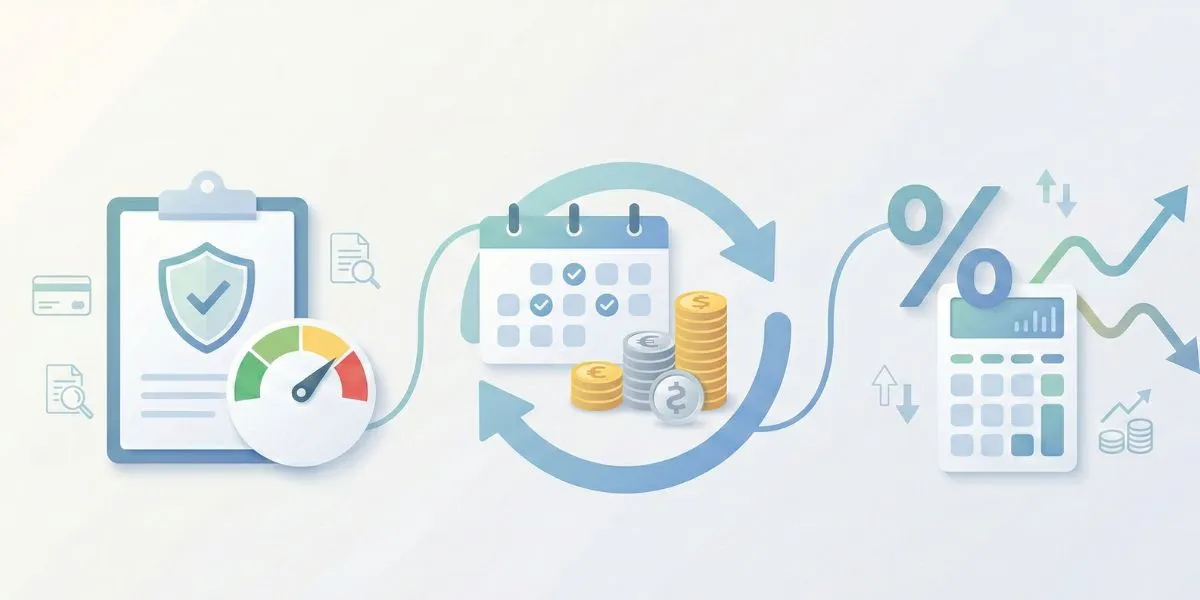
This is where a lender looks at your financial history to determine how you have handled loans previously. In-house financing has a low threshold for entry, but it still uses this to determine the amount of interest you will pay and the amount of down payment you will make. It also helps them to determine whether you are not currently overwhelmed with a number of financial obligations.
Monthly Payments
These are the amounts you agree to pay every month until you pay the full amount you owe to the lender. It is important to ensure that you are able to pay these every month to avoid defaulting on a loan. It is also important to ensure you do not forget to make these payments because you will incur extra fees for missing a payment.
Interest Rates
This is the cost of borrowing, which is usually expressed as a percentage of the loan. Since the store is taking a bigger risk in helping individuals with lower credit, it is expected that these rates should be higher than what a bank charges. Nevertheless, it is a fair price to pay for most individuals who need the item now.
How In-House Financing Works
In-house financing works very smoothly and in a simple way. The step-by-step process is as follows:
- Application Phase: You need to complete a credit application, which is simple, at the point of sale or online at the store’s site. The process should only take a few minutes, as you need to input basic information about your employment status and living situation.
- Rapid Review: The in-store finance team will review your income status and identity, which should only take a short time since they do not need to submit your application to a review committee.
- Term Negotiation: Negotiate with the store employee for the down payment as well as the monthly bills you need to pay regularly. This is the stage in which you can attempt to negotiate a better deal so you can find a sweet spot that does not break your bank account.
- Contract Execution: After this, sign a legally binding agreement once you are comfortable with the terms you agreed upon in the previous stage.
- Direct Servicing: The store handles your payments internally, which can sometimes allow you to pay in person or online through them. This can make it easier to ask questions or change your payment information if you switch banks.
Interest Rates & Fees: Typical Ranges
| Purchase Type | Typical Interest Rate | Potential Fees |
| Used Cars | 10% – 25% | Documentation fees, title fees, and late fees |
| Furniture | 0% (Promotions) – 29% | Delivery fees, late payment penalties |
| Electronics | 15% – 30% | Protection plans, service fees, setup costs |
Duration & Repayment Terms
The duration of your loan can differ depending on what you want to buy as well as what you can afford. Most retail stores offer flexible plans that can help you manage your finances well. Some of these plans include:
- Short-Term Plans: Some retail loans can be as short as 6-12 months, which is ideal for things like electronics. With short-term plans, you can clear your debts within a short time, allowing you to focus on your other financial goals.
- Extended Loans: For cars, you can opt for a loan that can stretch up to 72 months, which is ideal for most people as it allows them to make manageable monthly payments. Although it is easier to make monthly payments, you should know that you will be paying more in interest.
- Flexible Frequency: You can choose to make fortnightly payments, which is ideal for most people as it allows them to budget their finances well. With fortnightly payments, you do not have to worry about a huge bill at the end of the month that can wipe out your bank account.
- Prepayment: Most plans can be cleared before the agreed time without incurring any extra charges, which is ideal as it can save you a lot in interest. You should, therefore, ensure that you can clear your debts at any time as per your own schedule.
- Having a Fixed Interest: The rate remains constant throughout, which means you do not have to worry about your monthly payments increasing as time goes by. With a constant rate, you can plan well for your future as you know exactly how much you can save.
In-House Financing Options
There are various types of this financing, depending on what you’re looking for. All of them were designed to help you get what you need without using a bank.
No Credit Check Financing
This is a lifesaver for those just starting out or who have had some financial hiccups in their past. Instead of checking your credit score, they check your job and bank balance to make sure you have what it takes to make payments.
Cars / Auto Dealerships
Also known as “Buy Here, Pay Here.” This is the most popular type of financing. Dealer captive financing and OEM-related lending arms (Ford Credit, Toyota Financial Services, etc.) play a significant role here. It lets you pick out a car and get financing from the same person, which is excellent if you need a car to get to work right away.
Furniture In-House Financing
Many furniture stores offer “90 days same as cash” financing. This lets you get all of the furniture you need for your apartment or house without needing thousands of dollars in cash sitting in your pocket.
Requirements for In-House Financing
While these types of lenders may be easier on you than banks, they still have to make sure you’re a good borrower. This includes:
- Verified Income: You need to show proof of a steady job or a regular, legal income. This gives them confidence in knowing that you are able to meet your new monthly financial obligations.
- Identification: Stores want to ensure that the contract they are about to sign with you is legal and binding. They want to verify who you are to ensure that you are not attempting to obtain merchandise fraudulently.
- Proof of Residency: Stores want to know where you live. You may need to show them a recent bill to prove this. This is important to the lender in case they need to send you documents regarding the item.
- Initial Cash: Having money available to put down on the item shows them that you are willing to invest in this deal from the very beginning. This also reduces the total amount of interest you end up paying on it in the long run.
- Personal References: Lenders may ask for people they can call if they lose contact with you. This serves as a backup plan to ensure they are able to stay in contact with you about your account.
Pros and Cons of In-House Financing
Before you sign, it is smart to look at both sides of the coin. It is a great tool, but like anything else, it has its ups and downs.
The Pros:
- More Approvals: It is much easier to get a “yes” even if you have a low credit score or no history at all. This allows people to open doors and create opportunities for people who are working hard to rebuild their lives.
- Centralized Process: You save hours of your precious time by shopping and borrowing in one single location. This eliminates the stress of trying to coordinate with many businesses and many sets of paperwork.
- Credit Improvement: Most of the stores will report your payment history to the credit bureau, and this will increase your credit score.
- Customized Contract: You can talk the dealer into making the deal fit your unique monthly budget needs. This is much harder to do with a large national bank.
- Immediate Ownership: It allows you to take home high-quality merchandise now instead of in months. This is especially helpful when you need a car to get to your new job or a bed to furnish your new home.
The Cons:
- Costly Interest: You will definitely be charged much higher interest rates than at a traditional credit union. This is the trade-off for the convenience and the risk the lender takes on by allowing people with poor credit to take out loans with them.
- Hidden Fees: Some dealerships may include “origination fees” in the price of the item, which can drive up the cost. You should ask for a detailed list of fees before you sign anything.
- Smaller Selection: You can only choose from what is in stock at that particular store. You may have to make some sacrifices in terms of color, features, etc., in order to get approved for a loan.
- Strict Penalties: If you miss a single payment, you could lose your item. They tend to take action much quicker than a bank in repossessing a loan.
- Overspending Risk: Since it is so easy to get approved, you could fall victim to overspending. It is very easy to get caught up in the excitement of owning a new item and forget about your budget.
How to Search for Local In-House Financing Options
It is actually quite simple to find places that offer in-house financing, as long as you know what you’re looking for. Here is how you can find them:
- Keyword Searches: You can type in “buy here, pay here” or “Furniture stores with easy credit” in your city or zip code. Using specific keywords can help you find places in your area that deal with financing models, since most of them advertise it loudly in hopes of attracting customers who need credit.
- Social Media: Check local social media markets where dealers often advertise their latest products and exclusive financing deals. Social media will also help you stay up to date with the latest deals and sometimes even communicate with the finance manager directly through messaging.
- Drive-By Research: Drive through local business areas to spot banners advertising “on the spot financing” or “no credit check required.” These small dealerships and appliance stores often use this method to attract local customers looking for immediate assistance.
- Online Directories: Utilize online business review websites to search for local retailers that specialize in subprime financing options. These websites often list local businesses according to the services they provide, making it easy to find a credit-friendly business.
- Word of Mouth: Ask people you trust for recommendations because personal experiences are an excellent way to find the most honest local dealerships. People are often quite vocal about their experiences with local dealerships and will tell you which ones to avoid because of unfair business practices.
Tips for Choosing a Reputable Lender
It is important to note that not all lenders are created equal, so you should be careful and do your homework before engaging in a long-term contract. This includes:
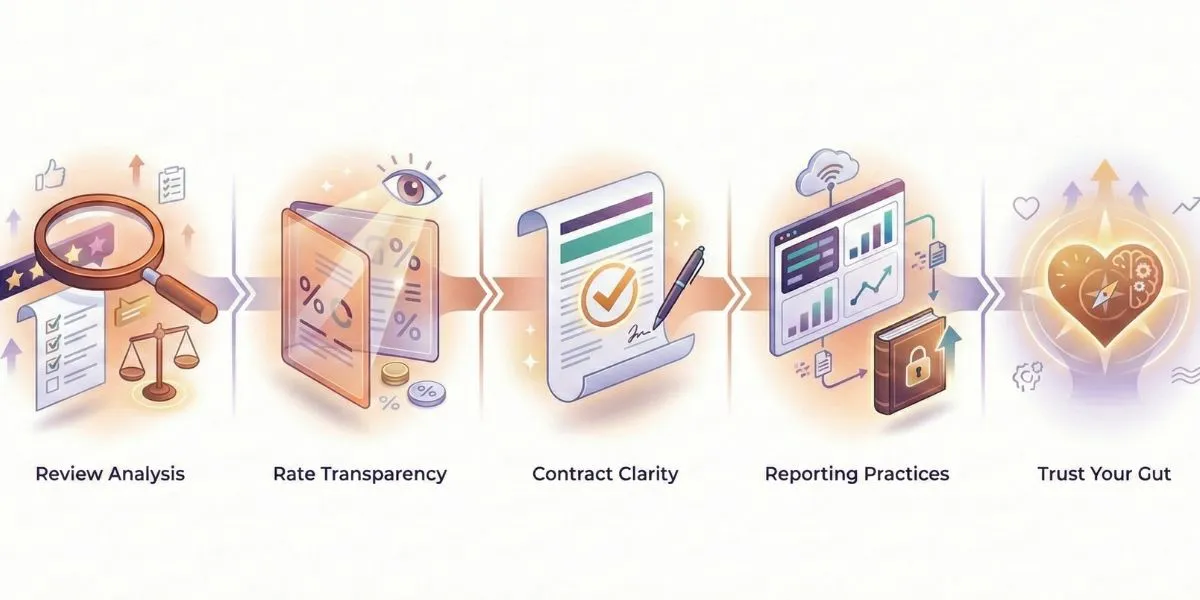
Review Analysis
Check online reviews as well as Better Business Bureau ratings to determine how they handle customers who default on their payments. Pay particular attention to how they handle complaints, as this is an accurate measure of their professional integrity.
Rate Transparency
The lender should be transparent about their rates, never hiding them in the fine print of a lengthy contract. You should be able to clearly identify how much of your monthly payment is going towards the principal as well as the interest.
Contract Clarity
Ask for a sample copy of their contract and review it carefully, checking for any hidden fees such as a “documentation fee” or “origination charges” that were never mentioned previously. A reputable lender should be more than willing to let you take a copy home before signing anything.
Reporting Practices
Check whether they report your timely payments to credit agencies, as this is a great way to improve your credit score. If they do not report your payments, then you are essentially missing out on a huge opportunity.
Trust Your Gut
If a deal seems too good to be true, or the salesperson is being too aggressive, it is perfectly okay to walk away and look elsewhere. Trust your instincts; a legitimate business will not pressure you into a deal that makes you uncomfortable.
Advantages of In-House Financing
The first and most significant advantage is the speed and the personal touch. Because you’re dealing with a business within the community, they’re more interested in your personal story than a bank would be. This includes:
- Instant Decisions: You can get a decision instantly, just like the time it takes to walk through the showroom. This means no more waiting around on the phone to see if a bank has approved your loan.
- Human Interaction: Talk to a real person about your financial situation if things change. Maybe you have a temporary setback; a dealership is more willing to sit down and come up with a new plan of action.
- Minimal Paperwork: Don’t deal with the massive “mountain of red tape” that banks typically require for a loan. The process is streamlined to be as simple as possible for both the buyer and the seller.
- Premium Inventory: Since dealerships want to make sure you’re happy with your purchase so you’ll continue to make those monthly payments, they usually hold back their best and most reliable inventory for those customers.
- Financial Growth: On-time payments are among the fastest ways to prove to future lenders that an individual is responsible. It serves as a stepping stone for greater economic opportunities and lower interest rates in the future.
Conclusion
In-house financing is a great way to get what you need when the traditional banking system is not available. There is no better option than this when it comes to convenience and flexibility, especially when it comes to big-ticket items like cars and furniture. When in-house finance is used, one gets to experience something quick and personalized without the long lines and rules in banks. This option has become very crucial in the lives of many families as it allows them to own vehicles when they need them most.
Although it may come with higher interest rates, it also enables you to drive away with your new vehicle or furnish your house while establishing your credit for the future. As long as you are able to remain a smart shopper, this option can be a huge win for your household. Just be sure to read the fine print and ensure that you can afford the monthly payments.
Also read:
FAQs
What is the meaning of in-house financing?
In-house financing is when, instead of taking money from a bank, you take it from the store where you are purchasing your desired product. This way, the store becomes your lender, and you do not have to worry about any outside influences when it comes to your debt.
Does in-house financing help my credit?
Yes, this is one of the best advantages that these types of lenders offer. Since they do report your payments, this can help improve your score significantly.
Are interest rates higher with in-house loans?
Yes, they are, but this is understandable since these stores are taking a bigger risk by lending money to someone who may have a lower score.
Is dealer-provided financing available for bad-credit buyers?
Absolutely! This is one of the main reasons people use it, as stores are much more flexible and understanding than traditional banks. They are more interested in your current income and job stability than a number from a credit report from years ago.
Do I need a down payment?
Yes, for the majority of the time. A down payment shows the store that you are committed to the purchase and can help lower the amount that you owe each month by a significant amount. It also saves you money on the total amount of interest that you owe.
Can I pay off my loan early?
Yes, however, it is always important to read the contract and make sure that there are no early payment fees. Paying early is a great way to save on interest and free up your monthly cash flow much sooner than expected.