

The travel world keeps on changing; however, a dependable travel agent is still widely used by millions of people to make their bookings and itinerary. The travel agency sector is not dying out; instead, it is experiencing a strong comeback. Agents who thrive are not just ticket issuers anymore; they are trip creators, customer care representatives, and people who help you to meet the influential ones. By focusing on high-value, complex, or niche travel, such as luxury cruises or a tailor-made European tour, they have efficiently embraced the digital era, creating new travel agent revenue streams that include commissions, service fees, and personalized travel planning.
According to some sources, 63% of Gen Z and Millennial travelers said that travel agents/advisors give peace of mind. Besides, a complicated and post-pandemic travel situation has made the need for a professional more of a necessity than a luxury. Their main business, however, is a brilliant mix of supplier payments and client fees. So, in this new world, how do travel agents earn money? In this article, we will explain how do travel agents make money and detail where their income truly comes from.
Key U.S. Travel Market Statistics (2026)
- Total U.S. travel-booking market: ≈ $777 billion (leisure dominates ~80%).
- Traditional travel agencies market: $46.4 billion in 2025; gross agency bookings surged 28% in 2023 to ~$109.7 billion.
- Leisure travel accounts for 65% of agency bookings.
- Agencies projected to represent ≈25% of all U.S. travel sales by 2027.
- Online bookings are growing: ≈65% of all travel bookings expected to be made online by 2026.
- Travelers increasingly use search engines (~70%) and social media (~36%) for travel planning.
- Complex or multi-part trips still see 65–66% of travelers using agencies for planning.
What Does a Travel Agent Do Today?
A travel agent today acts as a personal travel consultant, using their specialized knowledge, industry connections, and booking software to design, coordinate, and manage a client’s entire travel experience. They ensure the journey is an absolute fit to the customer’s needs, and if the unexpected happens during the trip, they are the primary point of contact, which is also how many earn their travel agent income through personalized services and expert planning.
Why People Still Use Travel Agents in the Digital Era?
People have infinite choices at their fingertips, yet they still decide to deal with travel agents for several strong reasons. This includes:
- Time Savings: For numerous people, squeezing the hours of comparing flights, hotels, and tours into the day is just not possible; thus, they hire an agent to do the legwork for them.
- Problem-Solving: If a flight is canceled or a hotel booking is lost, the agent handles the frustrating work of rebooking and negotiating, offering peace of mind.
- Exclusive Deals: Agents often have access to special group rates, upgraded perks, and wholesale packages that are not available to the public on consumer booking sites.
- Niche Expertise: If the trips are highly specialized, like Disney vacations, destination weddings, or safaris, then the deeply knowledgeable agent will come in handy.
- Personalized Service: An agent is not a computer program and hence can understand the client’s specific wants, budget, and travel style to come up with a truly tailor-made itinerary.
How Travel Agents Earn Money | 2026 Insights
The question of how do travel agents make money is answered mainly by mentioning only commissions, though present agents have more than one business model to use for efficient business and profit. To ensure their time and expertise are well appreciated, travelers combine supplier payments with direct client fees.
1. Commissions from Airlines, Hotels & Tours

The most conventional and still primary method of a travel agent is receiving money through commissions. The commissions are paid out by travel suppliers. When a travel agent facilitates a service purchase, the latter pays the agent a fraction of the entire sale as a money-making commission or finder’s fee.
Airlines (Slim Margins):
Most of the time, commission from the standard flights is a very modest contribution to the overall income. They are often between 0% and 5% of the ticket price, and a lot of domestic economy flights give nothing in commissions. So, if travel agents issue flights, they have no option but to accompany a modest separate ticketing or service fee to be allowed to make some profit from this part of the business.
Hotels (Solid Earnings):
Compared with the air business, this is both a stronger and steadier source of income.
- Agents are on average paid a commission that accounts for from 10% to 20% of the room rate.
- As for the high-volume agents who meet specific targets, they can be eligible for even higher tiered rates or get a preferred status from particular hotel chains.
Cruises & Tours (High Commission Base):
These commission-generating deals offer some of the highest and most stable commission percentages, which usually are between 10% and 16%. Because cruises and tours are complicated, luxury-type products, the amount of money made per booking is quite substantial.
Important Payment Note:
Generally, suppliers arrange for the payment of commissions after the client has finished their travel (called a “consumed booking”). This waiting period affects the agent’s cash flow, which is another reason today’s agents are opting for upfront fees.
2. Service or Booking Fees Paid by the Customer
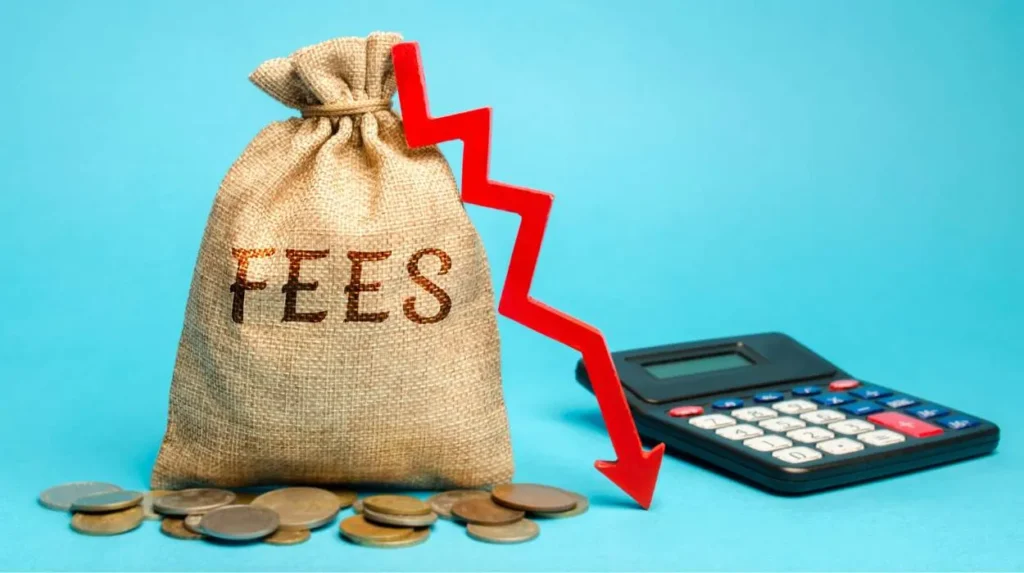
In order to better showcase their professionalism, not to mention saving time on the research for uncommitted clients and ensuring proper remuneration for complex works, a significant number of modern agents have already begun to directly charge their customers a specific travel agent fee. This creates instant revenue and ensures the agent is rewarded for their time invested in planning, regardless of whether a commission is eventually generated.
How do travel agents make money with service fees?
Service fees are tailored according to the agent’s area of expertise and the intricacy of the journey, thus recognizing them as highly paid consultants. It usually incorporates:
- Simple Transaction Fee: A fixed fee (e.g., $50 to $100) for purely transactional work, such as a flight-only booking or a typical last-minute change.
- Planning/Consultation Fee: A non-refundable research and itinerary creation fee. Most of the time, the amount varies from $100 to $500, depending on the trip’s length and complexity, thus guaranteeing the agent’s time.
- Concierge/Retainer Fee: To cover high-end luxury and corporate travel, a travel agent may ask for an hourly rate (e.g., $75/hour) or a certain percentage of a total trip cost (e.g., 5%) in exchange for complete, high-touch care and 24/7 assistance.
3. Markups on Wholesale Travel Deals (Controlling the Profit)

In some scenarios, like personalized group travel, private transfers, or specially tailored multi-component packages (commonly known as FITs – Fully Independent Travel), a supplier or tour operator offers an agent a net rate, which is the base, non-commissionable price.
- The agent can put on their own profit margin or markup before selling it to the client at the final retail price.
- Example: A travel agent might buy a hotel and private tours package at the net rate of $1,000 for a week, then add a $300 markup, and sell the package for $1,300. The $300 profit comes directly from the agent. The method skips the regular commission structure, giving the agent more control and most probably a higher margin.
4. Bonuses/Incentives for Selling More (Override Commissions)

Suppliers usually offer override commissions or bonuses to top-performing travel agencies that achieve or exceed specific annual sales targets for their products. This additional revenue source is the key to understanding how do travel agents make money at an advanced level.
- It is a heavy incentive that rewards both loyalty and volume.
- For example, an extensive cruise line can offer a standard 12% commission but allow an extra 2% to 4% override on all bookings made in that year after the agency achieves a high-volume sales threshold (e.g., $500,000 in sales).
5. Selling Add-Ons (High-Margin Products)

The agent’s income increases significantly by introducing complementary products to the central booking. Such add-ons are often considerably more profitable in terms of commissions than the basic travel components.
- Travel Insurance: This is the main money-maker, providing the agent with a commission of 20% to 30% of the premium cost.
- Car Rentals, Transfers, and Organized Tours: These supplemental bookings give a continuous 10% to 20% commission opportunity. Additionally, the client enjoys the convenience of having everything booked and coordinated by their professional agent.
Do Travel Agents Get Paid by Customers or Suppliers?
The answer is both. It entirely depends on the type of booking and who the payer will be.
| Booking Scenario | Payer | Why They Pay |
| Standard Hotel/Cruise Booking | The Supplier (Hotel, Cruise Line) | The supplier pays a commission for bringing them a customer. |
| Flight-Only Booking | The Customer | Due to low or zero airline commission, the agent charges a small service fee to cover their time and expertise. |
| Complex Itinerary Planning | The Customer | The client pays an upfront, non-refundable planning fee for the agent’s research and knowledge. |
| Custom Group Tour | Both | The agent earns commission from hotels/activities and often uses a net rate markup to generate profit. |
How Much Do Travel Agents Make Per Booking?
An agent’s earnings per booking can vary widely, but to give you an idea, here are the typical ranges based on the type of travel booked. Remember, these are the amounts the agents take home, not just the commission rates, as service fees are also included most of the time.
| Service Type | Client Spending | Typical Commission Rate | Estimated Agent Earnings |
| Hotel (3 Nights, Mid-Range) | $600 | 10% – 15% | $60 – $90 |
| International Flight (Round-Trip) | $1,200 | 0% – 5% | $0 – $60 (Plus $50 Service Fee) |
| 7-Day Caribbean Cruise (Inside Cabin) | $2,000 | 10% – 16% | $200 – $320 |
| All-Inclusive Package (7 Days) | $3,500 | 12% – 20% | $420 – $700 |
| Add-Ons (Insurance, Car Rental) | $200 | 15% – 30% | $30 – $60 |
Cruise, Disney & Luxury Travel = Higher Earnings
Such agents choose to work in luxury, high-value, and niche markets, and in scenarios such as cruises, Disney vacations, or bespoke luxury trips, they will most likely achieve very high profits per booking. The reasons for this are:
- Longer Ticket Price: The luxury trip and the cruise will always be expensive in total, so a 15% commission will be a much larger sum.
- Performance Incentives: Cruise lines reward the top-selling agents with additional commissions and bonuses.
- Non-Refundable Fees: Most often, luxury agents charge a hefty, non-refundable planning or concierge fee, thereby guaranteeing they will be well compensated for their time and high-touch service. This model is the most straightforward explanation of how travel agents make money; they sell knowledge, not just tickets.
How to Become a Travel Agent Step-by-Step
Today, it is not difficult to become a travel agent, which usually requires less initial money than a regular business. Below is a simple and organized way:
1. Get Your Training and Education
- Start with Research: Understand the industry and choose your niche (e.g., honeymoon, adventure travel, family vacation).
- Complete a Training Course: A host agency or industry body can provide an online course covering booking systems, industry ethics, sales, and marketing techniques.
- Learn Booking Software: Learn GDS (Global Distribution Systems) and booking engines, as these tools are what you will use to display prices and make reservations for travel.
2. Partner with a Host Agency
- A host agency is an organization that provides support to independent travel agents through its accreditation (like IATA or ARC). This is an essential step in understanding how travel agents make money, because the host agency is responsible for processing payments and granting you access to the commission network.
- The host agency and you split the commission they receive from the booking (e.g., they take 20% and you keep 80%). But the host agency is providing legal support, training, and customer service that are essential for your immediate start.
3. Establish Your Business Structure
- Legal Structure: Choose whether you want to run your business as a sole proprietor or an LLC.
- Set Your Fees: Figure out how you will charge your service fee. Letting your clients know about your fees is one of the signs of a professional agent.
- Build Your Brand: Make a simple website, open professional social media accounts, and start networking.
4. Focus on Specialization
Choose either a product (like a specific cruise line) or a destination (such as Italy) and become an absolute expert. This is the key factor that will make clients choose you over booking online. On top of that, suppliers offer specialist certifications and allow higher travel agent commissions to agents who focus on their products.
Conclusion
The travel agent business model in 2026 is resilient and vibrant; thus, the industry is no longer dependent on the old transaction-based payment system. The question of how travel agents make money is answered by the right mix of supplier commissions, client-paid service fees, and add-ons with high profit margins. By being niche experts and giving unbeatable service, today’s travel agents are not only solving travelers’ problems but also securing a profitable future for themselves in the industry.
With the increasing complexity of worldwide travel, their professional guidance, crisis management skills, and the ability to offer unique deals will be even more in demand. Therefore, agents who leverage technology and see themselves as specialized consultants rather than mere bookers will be able to maintain their financial success in the long run.
You Might Like:
FAQs
1. How do travel agents make money if they don’t charge a fee?
Travel agents who do not charge a service fee can still earn commissions from hotels, cruise lines, and tour operators after a booking is made. This means that the supplier pays the agent for bringing the client.
2. Is it cheaper to book a vacation through a travel agent?
Most of the time, the answer is yes. Travel agents can provide value that easily offsets any planning fee through access to exclusive group rates, package deals, and negotiated perks such as complimentary upgrades.
3. How much does it cost to use a travel agent?
The answer is different every time. Some agents will not charge any fees, while others will charge a non-refundable planning fee of $50 to $500, depending on the complexity of your trip.
4. Do travel agents earn commissions on flights?
Not typically. The majority of large airlines have ceased paying commissions on economy flights; as a result, most agents who work only with flights charge a small service fee to compensate for their time.
5. Is being a travel agent a profitable career in 2026?
Without a doubt! Luxury agents or those focusing on group or complex travel can make a lot of money by combining commissions on high-value sales with consultation fees.
6. How long does it take for a travel agent to get paid?
Usually, commissions are paid after the client has undergone their travel (not at the time of booking), hence an agent’s payment is often delayed by weeks or even months.