
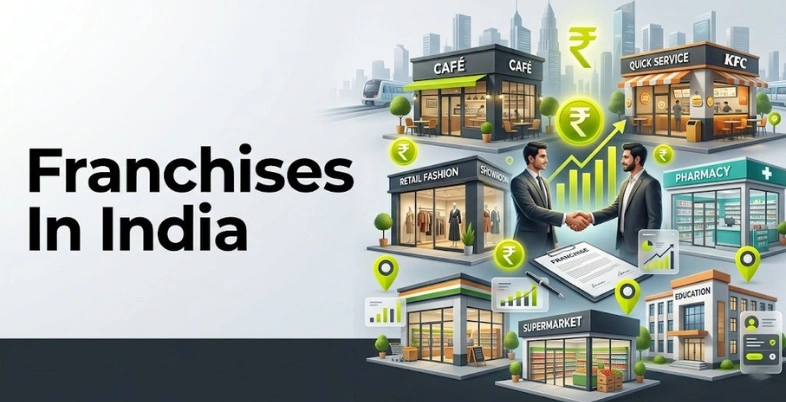
India’s franchise industry is growing rapidly, creating strong opportunities for entrepreneurs seeking scalable and lower-risk business models. From food chains and retail stores to logistics, education, wellness, and EV services, Franchises in India offer established branding, operational support, and faster market entry compared to starting independent businesses. Investment requirements can range from under ₹5 lakhs to several crores depending on the brand and industry category.
Popular franchises like Amul, DTDC, Kidzee, FirstCry, and Subway continue attracting investors because of stable customer demand and profitable business potential. Before investing, entrepreneurs should evaluate franchise fees, royalty charges, location potential, operational support, and expected ROI carefully.
Choosing the right franchise based on budget, local market demand, and long-term growth opportunities can help business owners build sustainable profits and expand successfully in India’s competitive market environment today.
What is a Franchise Business?
Franchise business is a model where a company allows another person or business to use its brand name, products, and operating system for a fee. The original company is called the franchisor, while the buyer is called the franchisee. This model helps entrepreneurs start a business with an already established reputation and customer base.
In India, franchise businesses are common in food, education, retail, fitness, and service industries. A franchisee usually pays an initial franchise fee and ongoing royalty charges to the franchisor. In return, the franchisor provides training, branding, marketing support, business guidance, and sometimes products or technology systems to operate the business smoothly.
Many people prefer franchise businesses because they reduce startup risk compared to creating a completely new brand. Popular examples in India include restaurants, coaching centers, salons, and supermarkets. However, franchise owners must follow company rules, maintain quality standards, and share part of their earnings with the franchisor according to the franchise agreement for long-term growth
Why Franchises Are a Smart Business Choice in India
Franchise businesses are growing rapidly in India because they combine entrepreneurship with proven business systems. For beginners and investors, franchises offer better stability, brand trust, and operational guidance compared to starting an independent business from scratch.
- Lower Business Risk: Franchises use proven business models with established demand, reducing chances of failure compared to completely new startup businesses in competitive markets.
- Strong Brand Recognition: Customers already know trusted franchise brands, making it easier to attract buyers and build sales from the first business day itself.
- Faster Return on Investment: Established systems, marketing support, and existing customer trust help franchise businesses generate revenue faster than many independent startups in India.
- Training and Guidance: Franchisors provide operational training, staff guidance, and management support, helping even first-time entrepreneurs run businesses more confidently and efficiently.
- Easier Marketing Support: National advertising campaigns and promotional materials reduce individual marketing burden while increasing local customer awareness and business visibility effectively.
- Better Supplier Network: Franchise owners benefit from centralized purchasing systems, better pricing, and reliable suppliers that improve product consistency and profit margins significantly.
- Easier Loan Approval: Banks often prefer financing recognized franchise businesses because established brands and predictable business models reduce investment uncertainty and financial risk.
- Scalable Growth Opportunities: Successful franchise owners can expand into multiple outlets or territories, creating higher income potential and long-term business growth opportunities in India.
Types Of Franchises in India
Franchise businesses in India come in different formats based on investment level, operations, and ownership structure. Understanding these franchise types helps entrepreneurs choose the right model according to their budget, skills, business goals, and market opportunities in fast-growing Indian industries today.
1. Business Format Franchise
This is the most popular franchise model in India. The franchisor provides the complete business system, including branding, training, operations, marketing, and support. Franchisees follow standardized processes to maintain consistent quality and customer experience across all outlets.
Common examples include restaurants, cafés, salons, and retail stores. This model is suitable for beginners because the franchisor offers continuous guidance and operational support. Although franchisees must follow strict company rules, they benefit from an established brand reputation, faster business setup, and reduced startup risks in highly competitive markets across India today successfully.
2. Product Distribution Franchise
In this franchise model, the franchisee mainly sells the franchisor’s products rather than operating a complete business system. The focus is on product distribution, dealership, and supply chain management instead of standardized operational procedures and branding systems.
This type is common in automobile, electronics, beverage, and FMCG industries. Franchisees usually receive rights to distribute specific products within certain regions. Compared to business format franchises, operational freedom is often higher. However, success depends heavily on sales performance, local market demand, and strong customer relationships. Many distributors in India prefer this model because it requires lower operational involvement and offers scalable business opportunities.
3. Service-Based Franchise
Service-based franchises focus on providing services instead of physical products. The franchisor supplies branding, training, technology, and operational systems, while the franchisee delivers services directly to customers under the company’s established business model and quality standards.
Popular examples include education centers, fitness studios, repair services, cleaning businesses, digital marketing agencies, and consultancy firms. This model often requires lower inventory costs compared to retail franchises. Success mainly depends on customer satisfaction, service quality, and staff performance. In India, service-based franchises are growing rapidly because demand for professional, convenient, and specialized services continues increasing in urban and semi-urban markets significantly today.
4. Manufacturing Franchise
In a manufacturing franchise, the franchisor allows the franchisee to manufacture and sell products using its brand name, formula, technology, or production process. The franchisee produces goods while maintaining the franchisor’s quality standards and operational requirements carefully.
This model is common in food processing, beverages, pharmaceuticals, cosmetics, and consumer goods industries. Franchisees usually need larger investments for machinery, factories, licenses, and skilled labor. However, manufacturing franchises can generate strong profits because franchisees control local production and distribution. In India, this model helps brands expand quickly into regional markets while reducing transportation costs and improving product availability for consumers across different states efficiently.
5. Investment Franchise
Investment franchises involve high capital investment where the franchisee mainly acts as an investor rather than managing daily operations personally. The franchisor provides systems, management guidance, and branding, while professional teams handle regular business activities and customer operations.
Now that you know the different franchise types, let’s explore and compare the most profitable franchise opportunities in India.
Quick Comparison of Top Franchises in India
| Brand | Category | Investment | Profit Margin | Space Required |
| Amul | Dairy & FMCG | ₹2–10 Lakhs | 10%–20% | 100–300 sq. ft |
| DTDC | Courier & Logistics | ₹1.5–5 Lakhs | 15%–25% | 150–400 sq. ft. |
| Lenskart | Eyewear Retail | ₹25–35 Lakhs | 20%–30% | 300–500 sq. ft. |
| FirstCry | Baby Products Retail | ₹20–30 Lakhs | 25%–35% | 800–2000 sq. ft. |
| Subway India | Quick Service Restaurant | ₹40–60 Lakhs | 15%–25% | 300–800 sq. ft. |
| Kidzee | Preschool & Education | ₹12–20 Lakhs | 20%–35% | 2000–3000 sq. ft. |
| Jawed Habib Hair & Beauty | Salon & Beauty | ₹20–35 Lakhs | 20%–30% | 800–1500 sq. ft. |
| Apollo Pharmacy | Pharmacy & Healthcare | ₹15–25 Lakhs | 15%–22% | 300–500 sq. ft. |
| Delhivery | Logistics & Delivery | ₹5–15 Lakhs | 10%–20% | 200–500 sq. ft. |
| WOW! Momo | Food & Beverage | ₹8–20 Lakhs | 18%–30% | 150–500 sq. ft. |
List Of Top Franchises in India – Cost & Profit
A. Food Franchise Opportunities
1. Amul

Amul is one of India’s most trusted dairy brands, offering franchises in India through parlors, kiosks, and ice cream outlets across urban and rural markets. The business model is popular because of affordable investment requirements, strong customer demand, and wide product variety.
Franchise owners benefit from consistent footfall, strong brand loyalty, and regular supply chain support. Amul franchises are easier to manage compared to many food businesses because products are pre-manufactured. The company’s extensive distribution network and affordable pricing help franchisees generate stable daily sales and recurring customer purchases.
- Investment: ₹2–10 Lakhs
- Profit: 10%–20%
- Why it’s good: Low investment, trusted brand recognition, strong daily demand, easy operations, and consistent customer purchases create dependable long-term business growth.
2. Subway India

Subway India is a globally recognized quick-service restaurant franchise known for customizable sandwiches, healthy menu options, and strong urban customer demand, making it a popular franchises business in India. Franchise owners receive operational training, branding support, and standardized business systems that simplify restaurant management.
The brand performs especially well in malls, commercial locations, and busy city areas with high foot traffic, making the Subway Franchise highly suitable for urban markets. Subway’s growing popularity among health-conscious consumers supports long-term market potential. Although the investment is higher than smaller food franchises, strong brand value and established customer trust help franchisees achieve stable revenue growth over time.
- Investment: ₹40–60 Lakhs
- Profit: 15%–25%
- Why it’s good: Global reputation, strong urban demand, healthy food positioning, and operational support help franchisees build scalable restaurant businesses successfully.
3. WOW! Momo
WOW! Momo is one of India’s fastest-growing food franchise brands specializing in momos, fast food snacks, and fusion menu items under the growing market of franchises in India. The company has expanded rapidly across malls, food courts, and high-traffic urban locations because of affordable pricing and strong youth appeal.
Franchisees benefit from branding support, menu innovation, and centralized operational systems that simplify business management. The growing popularity of quick-service restaurants in India supports future expansion opportunities. Compared to traditional restaurants, WOW! Momo outlets often require smaller spaces while still attracting consistent customer demand and repeat purchases.
- Investment: ₹8–20 Lakhs
- Profit: 18%–30%
- Why it’s good: Popular fast-food category, strong youth demand, affordable setup costs, and growing nationwide expansion create strong profit opportunities consistently.
4. Domino’s Pizza India

Domino’s Pizza India is among the country’s most successful food franchise businesses and a leading franchises business in India, driven by strong delivery infrastructure and widespread customer recognition. The brand benefits from high demand for quick-service dining, online ordering, and takeaway services in metropolitan and tier-two cities.
Franchisees receive complete operational guidance, marketing assistance, and technology systems for smooth business management. Domino’s established supply chain and consistent menu quality support long-term customer loyalty. Although investment costs are relatively high, strong sales volume, digital ordering growth, and trusted brand positioning help franchise outlets generate substantial revenue potential.
- Investment: ₹30–50 Lakhs
- Profit: 18%–25%
- Why it’s good: Strong delivery systems, nationwide popularity, digital ordering growth, and repeat customers support stable revenue generation across Indian markets.
5. Haldiram’s

Haldiram’s is a highly respected Indian food brand offering restaurant, sweets, snacks, and quick-service franchise opportunities across multiple formats, making the Haldiram Franchise a strong name in the growing sector of franchises in India. The company benefits from strong customer trust, wide menu variety, and consistent demand during festivals, celebrations, and everyday dining occasions.
Franchise owners gain access to established branding, product supply systems, and operational support from a recognized national brand. Haldiram’s outlets attract customers across different age groups because of affordable pricing and traditional food offerings. Strong brand loyalty and expanding demand for packaged snacks increase long-term business opportunities significantly nationwide.
- Investment: ₹30–60 Lakhs
- Profit: 20%–35%
- Why it’s good: Trusted Indian food brand, strong festive demand, diversified menu offerings, and loyal customers create stable long-term franchise profitability.
B. Retail Franchise Businesses
6. Lenskart

Lenskart is a leading eyewear retail franchise in India, offering prescription glasses, sunglasses, and contact lenses through technology-driven stores, making the lenskart franchise a fast-growing franchises business in India. The company combines online and offline retail operations, helping franchise owners attract digitally aware consumers seeking affordable eyewear solutions. Franchisees receive branding, staff training, inventory support, and technology systems for efficient business management.
Growing awareness about eye care and increasing screen usage continue driving customer demand across Indian cities. Lenskart’s modern store experience, affordable pricing, and expanding customer base make it a profitable long-term retail franchise opportunity for entrepreneurs.
- Investment: ₹25–35 Lakhs
- Profit: 20%–30%
- Why it’s good: Growing eyewear demand, technology-driven retail systems, strong branding, and increasing customer awareness support profitable business expansion opportunities nationwide.
7. FirstCry

FirstCry is India’s largest baby products retail franchise, offering clothing, toys, accessories, and childcare essentials through modern retail outlets under the expanding market of franchises in India. The brand has gained strong customer trust because of its extensive product range and focus on quality for children and infants. Franchise owners benefit from inventory support, digital integration, marketing assistance, and established brand recognition.
Rising spending on childcare products and increasing awareness among urban families support long-term market growth. FirstCry stores attract repeat customers regularly because parents frequently purchase products for growing children throughout different development stages.
- Investment: ₹20–30 Lakhs
- Profit: 25%–35%
- Why it’s good: Large childcare market, repeat customer purchases, strong brand trust, and growing urban demand ensure stable retail business performance.
8. Apollo Pharmacy

Apollo Pharmacy is one of India’s largest pharmacy retail chains, offering medicines, healthcare products, wellness items, and prescription services, making it a trusted franchises business in India. Franchisees benefit from strong supply chain systems, trusted healthcare branding, and consistent customer demand throughout the year. Increasing healthcare awareness and rising medicine consumption continue supporting pharmacy market growth across India.
The company provides operational support, inventory management systems, and business guidance for franchise partners. Compared to seasonal retail businesses, pharmacy franchises often experience stable daily sales because healthcare products remain essential purchases for customers across all demographics.
- Investment: ₹15–25 Lakhs
- Profit: 15%–22%
- Why it’s good: Essential healthcare demand, trusted medical brand, consistent daily sales, and strong supply systems support stable franchise business growth.
9. Reliance Trends

Reliance Trends is a popular fashion retail franchise offering affordable clothing, accessories, and lifestyle products for men, women, and children in the rapidly growing sector of franchises in India. The brand benefits from strong nationwide recognition, wide product variety, and growing demand for organized fashion retail across India.
Franchise owners receive operational support, inventory management systems, and branding assistance from one of India’s largest retail groups. Expanding middle-class spending and increasing interest in branded apparel support future market growth. Reliance Trends stores attract regular footfall because customers frequently purchase seasonal clothing and fashion products throughout the year.
- Investment: ₹50 Lakhs–₹1 Crore
- Profit: 20%–30%
- Why it’s good: Strong retail brand, growing fashion demand, nationwide customer reach, and organized inventory systems support long-term profitability and expansion.
10. Bata India

Bata India is one of the country’s oldest and most recognized footwear retail brands, serving customers across different income segments and operating as a successful franchises business in India. Franchise outlets sell shoes, sandals, accessories, and school footwear through organized retail stores in cities and smaller towns.
The company provides branding support, product supply systems, and operational assistance to franchise owners. Consistent footwear demand throughout the year supports steady business performance. Bata’s affordable pricing, strong customer trust, and wide product variety help franchisees attract families, students, professionals, and repeat buyers across multiple consumer categories successfully.
- Investment: ₹20–40 Lakhs
- Profit: 15%–25%
- Why it’s good: Trusted footwear brand, affordable pricing, repeat customers, and consistent demand create dependable retail franchise opportunities across Indian markets.
C. Service-Based Franchises
11. DTDC
DTDC is one of India’s leading courier and logistics franchise businesses, serving customers through parcel delivery, e-commerce logistics, and shipping services under the expanding market of franchises in India. Growing online shopping demand and expanding business deliveries continue increasing opportunities in the logistics sector. Franchise owners benefit from established operational systems, nationwide delivery networks, and brand recognition in urban and rural markets.
DTDC franchises often require lower investment compared to large retail businesses while generating consistent daily transactions. The company’s strong distribution infrastructure and rising e-commerce growth help franchisees maintain stable revenue and long-term business expansion opportunities successfully.
- Investment: ₹1.5–5 Lakhs
- Profit: 15%–25%
- Why it’s good: Booming e-commerce growth, low startup investment, strong logistics demand, and nationwide network support reliable long-term business opportunities consistently.
12. Delhivery
Delhivery is a rapidly growing logistics and supply chain franchise brand supporting e-commerce deliveries, courier services, and transportation operations across India, making it a strong franchises business in India. Franchise partners benefit from technology-driven systems, delivery infrastructure, and increasing demand for fast shipping services in urban and semi-urban regions.
The company’s strong digital logistics model helps improve operational efficiency and customer satisfaction. Growing online retail activity continues creating long-term opportunities for logistics franchises nationwide. Compared to traditional businesses, delivery franchises often require lower operational complexity while still generating regular business transactions and scalable revenue growth through expanding e-commerce demand.
- Investment: ₹5–15 Lakhs
- Profit: 10%–20%
- Why it’s good: Technology-driven logistics systems, growing online deliveries, scalable operations, and increasing courier demand support profitable franchise business expansion nationwide.
13. Jawed Habib Hair & Beauty

Jawed Habib Hair and Beauty is one of India’s most recognized salon franchise brands in the growing market of franchises in India, offering haircuts, styling, beauty, and grooming services. The brand benefits from strong customer trust, celebrity recognition, and increasing demand for professional salon services across urban India.
Franchisees receive staff training, branding support, operational guidance, and standardized salon systems. Rising beauty awareness and growing spending on personal grooming continue supporting salon industry growth nationwide. Jawed Habib salons attract repeat customers regularly because grooming and beauty services require continuous visits and long-term customer relationships successfully.
- Investment: ₹20–35 Lakhs
- Profit: 20%–30%
- Why it’s good: Strong beauty industry demand, repeat customer visits, trusted salon branding, and professional training support consistent franchise revenue growth.
14. Urban Company Partner Franchise

Urban Company partner franchises operate within India’s growing home services industry, providing beauty, cleaning, repair, and maintenance solutions as a fast-expanding franchises business in India. The platform connects service professionals with customers through digital booking systems and operational support. Increasing demand for convenient home services in urban areas continues driving rapid market growth.
Franchise owners and service partners benefit from technology integration, customer acquisition support, and established brand visibility. Compared to traditional service businesses, Urban Company’s structured systems simplify operations and customer management. The growing gig economy further strengthens long-term opportunities for service-based franchise expansion across India.
- Investment: ₹3–10 Lakhs
- Profit: 20%–35%
- Why it’s good: Growing home service demand, app-based customer acquisition, flexible operations, and scalable opportunities create strong long-term business profitability nationwide.
15. VLCC
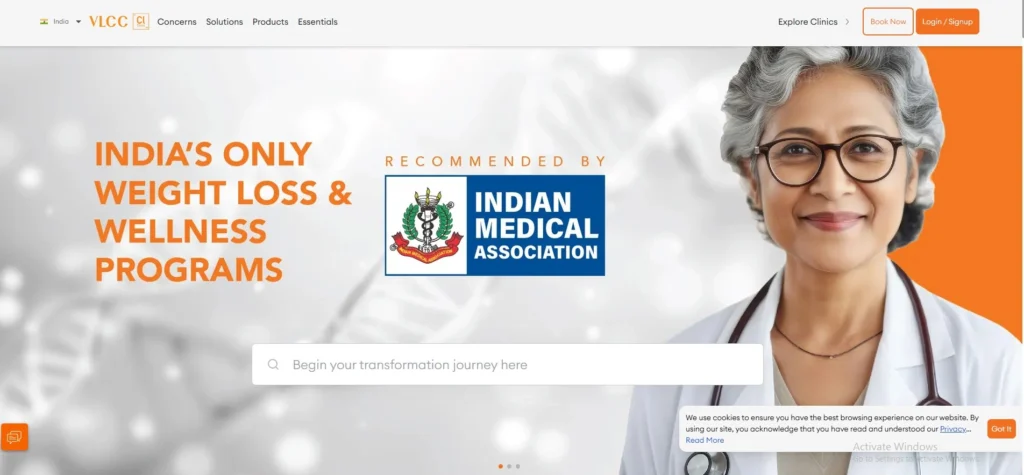
VLCC is a leading wellness and beauty franchise brand offering skincare, fitness, slimming, and personal care services across India under the growing sector of franchises in India. The company benefits from rising health awareness, increasing beauty spending, and strong customer demand for wellness treatments. Franchise owners receive operational guidance, staff training, branding support, and access to established treatment systems.
Growing urban lifestyles and fitness consciousness continue supporting wellness industry expansion nationwide. VLCC centers attract recurring customers because beauty, skincare, and wellness services often require multiple sessions, helping franchisees build stable long-term revenue and strong customer relationships successfully.
- Investment: ₹25–50 Lakhs
- Profit: 20%–30%
- Why it’s good: Growing wellness awareness, repeat treatment customers, trusted beauty brand, and premium services support profitable long-term franchise operations nationwide.
D. Education & Training Franchises
16. Kidzee
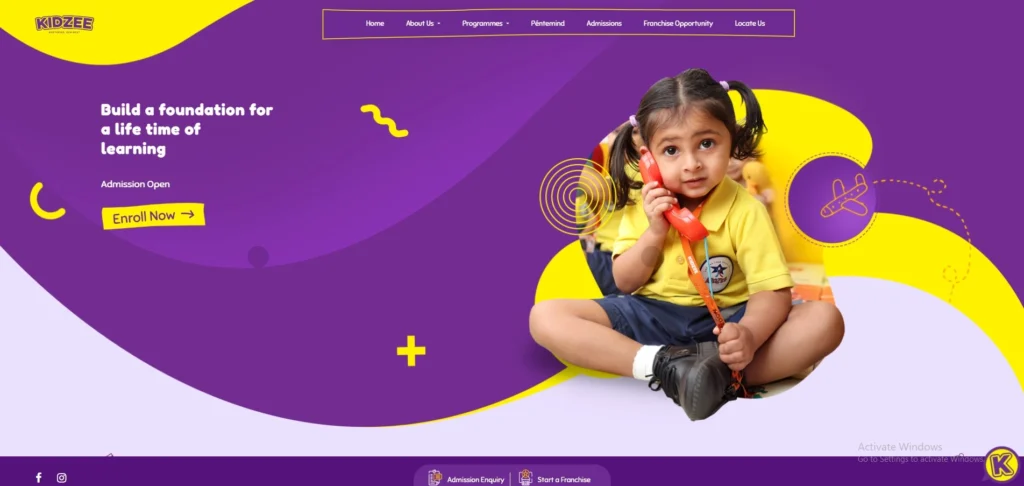
Kidzee is one of India’s largest preschool franchise brands, focusing on early childhood education and skill development programs as a growing franchises business in India. The company provides curriculum support, teacher training, branding, and operational guidance for franchise owners across India. Rising awareness about preschool education and child development continues increasing demand for organized learning centers in urban and semi-urban markets.
Franchisees benefit from established educational systems and trusted brand recognition among parents. Kidzee centers attract long-term enrollments because preschool programs often involve multi-year learning journeys, supporting stable admissions and recurring annual revenue growth opportunities successfully.
- Investment: ₹12–20 Lakhs
- Profit: 20%–35%
- Why it’s good: Increasing preschool demand, trusted educational systems, recurring admissions, and parental trust create strong long-term business growth opportunities nationwide.
17. EuroKids

EuroKids is a well-known preschool and early education franchise offering structured learning programs, activity-based teaching, and child development initiatives under the expanding market of franchises in India. The brand has gained popularity among parents because of modern teaching methods and strong educational support systems. Franchise owners receive curriculum assistance, staff training, branding support, and operational guidance for smooth center management.
Rising focus on quality preschool education continues driving demand across Indian cities and smaller towns. EuroKids centers generate recurring revenue through annual admissions, activity programs, and long-term student enrollments in growing education-focused communities nationwide successfully.
- Investment: ₹15–25 Lakhs
- Profit: 20%–30%
- Why it’s good: Modern preschool education demand, trusted curriculum systems, recurring student enrollments, and parental confidence support sustainable franchise business growth.
18. NIIT

NIIT is a leading education and training franchise specializing in information technology, software skills, and professional certification programs as a trusted franchises business in India. The company benefits from increasing demand for digital skills, technical education, and career-focused training among students and working professionals.
Franchise owners receive curriculum support, branding assistance, faculty training, and operational guidance for managing learning centers effectively. India’s growing technology sector continues creating strong opportunities for skill development institutes nationwide. NIIT centers attract students seeking career advancement, helping franchisees generate stable enrollments, long-term credibility, and recurring revenue through diverse educational programs successfully.
- Investment: ₹10–20 Lakhs
- Profit: 20%–35%
- Why it’s good: High digital skills demand, career-focused training programs, trusted educational reputation, and recurring enrollments support profitable business growth opportunities.
19. Aptech

Aptech is a recognized training franchise brand offering courses in information technology, animation, multimedia, and professional skill development under the growing market of franchises in India. The company supports franchise owners through curriculum systems, branding assistance, faculty training, and student management processes. Rising demand for career-oriented education and technical certifications continues supporting the training industry across India.
Aptech learning centers attract students seeking practical job skills and industry-focused education programs. Compared to traditional academic institutions, skill development franchises often adapt quickly to changing market trends, helping franchises maintain relevance and stable student enrollments over long-term educational cycles successfully.
- Investment: ₹15–30 Lakhs
- Profit: 20%–30%
- Why it’s good: Career-oriented training demand, practical skill programs, trusted educational branding, and expanding student enrollments support sustainable franchise profitability nationwide.
20. IMS Learning
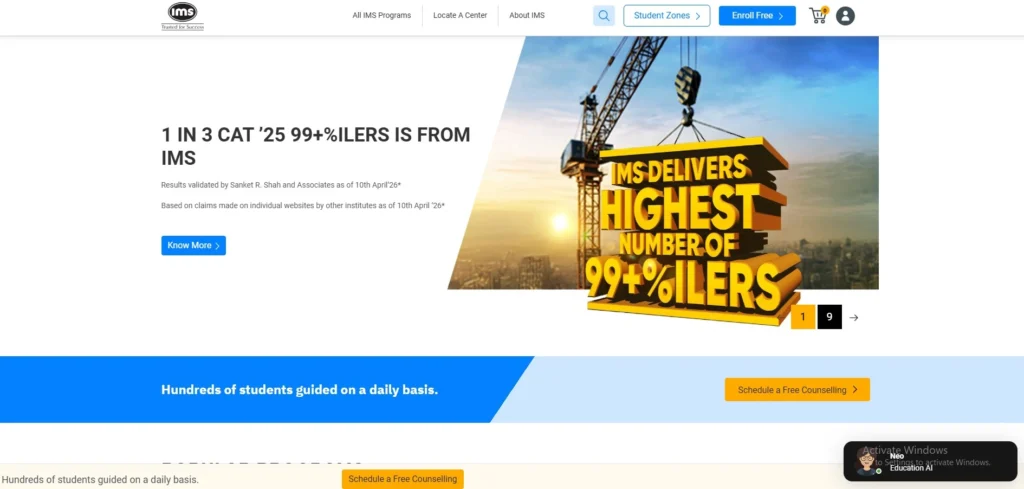
IMS Learning is a popular coaching and test preparation franchise offering entrance exam training for management, banking, law, and international studies as a growing franchises business in India. The company benefits from increasing competition in higher education and professional entrance examinations across India.
Franchise owners receive study materials, faculty guidance, branding support, and operational systems for smooth coaching center management. Rising student demand for competitive exam preparation continues supporting long-term education market growth. IMS centers attract recurring admissions because students regularly enroll for different exams, helping franchisees generate stable annual revenue and strong educational credibility successfully nationwide.
- Investment: ₹10–25 Lakhs
- Profit: 20%–35%
- Why it’s good: Growing competitive exam demand, trusted coaching systems, recurring student enrollments, and educational credibility support stable long-term franchise profitability.
Low Investment Franchises in India (Under ₹5 Lakhs)
Starting a franchise business does not always require huge capital. Many low-investment franchises in India offer affordable entry costs, simple operations, and stable earning potential for beginners, students, and small business owners. These businesses work especially well in tier-2, tier-3, and small-city markets where competition is lower and local demand continues growing steadily.
| Brand | Category | Investment | Best For | Why It Works in Small Cities |
| Patanjali Ayurved | FMCG & Retail | ₹2–5 Lakhs | Retail Store Owners | Affordable Ayurvedic and grocery products attract price-conscious customers in smaller towns consistently. |
| Jio BP Pulse | EV Charging | ₹3–5 Lakhs | Future-Focused Investors | Growing electric vehicle adoption creates early business opportunities in developing urban and semi-urban locations. |
| Meesho Supplier Partner | Reselling & E-commerce | ₹50,000–3 Lakhs | Home Entrepreneurs | Low operational costs and online selling flexibility support business growth from smaller locations efficiently. |
| Tea Time | Tea Café | ₹4–5 Lakhs | Food Entrepreneurs | Affordable menu pricing and India’s strong tea culture ensure steady customer traffic daily. |
| Amul | Dairy & Ice Cream | ₹2–5 Lakhs | Beginners | Daily-use products create regular customer demand and repeat purchases in residential and local market areas. |
High Profit Franchise Businesses in India
High-profit franchise businesses in India usually combine strong brand recognition, repeat customer demand, scalable operations, and efficient business models. ROI-focused entrepreneurs often prefer franchises with healthy margins, faster customer acquisition, and growing market demand across food, retail, education, wellness, and service industries nationwide today.
| Brand | Category | Investment | Profit Margin | Estimated ROI Time | Why It’s High Profit |
| FirstCry | Baby Products Retail | ₹20–30 Lakhs | 25%–35% | 2–4 Years | Repeat purchases from parents create stable recurring sales and strong long-term customer retention. |
| Kidzee | Preschool Education | ₹12–20 Lakhs | 20%–35% | 2–3 Years | Annual admissions and recurring enrollments generate predictable revenue with comparatively lower inventory costs. |
| WOW! Momo | Quick Service Restaurant | ₹8–20 Lakhs | 18%–30% | 2–4 Years | High youth demand and affordable menu pricing support strong daily sales volume consistently. |
| Lenskart | Eyewear Retail | ₹25–35 Lakhs | 20%–30% | 3–5 Years | Growing eye care awareness and technology-driven retail systems support expanding customer demand nationwide. |
| VLCC | Wellness & Beauty | ₹25–50 Lakhs | 15%–25% | 3–5 Years | Wellness treatments, skincare programs, and recurring beauty services create strong repeat business opportunities. |
How To Start a Franchise in India (Step-by-Step Guide)
Starting a franchise business in India becomes easier when you follow a structured process. From selecting the right industry to launching operations, each step plays an important role in reducing risk, controlling investment, and improving long-term business success for franchise owners.
- Step 1 – Choose the Right Industry: Select an industry matching your budget, interests, local demand, and business goals. Popular options include food, retail, education, logistics, healthcare, and beauty franchises with strong customer demand and long-term growth opportunities in India today.
- Step 2 – Set Your Budget: Calculate franchise fees, setup costs, rent, staff salaries, inventory, marketing expenses, and emergency working capital. Clear budgeting helps avoid financial pressure and ensures smoother operations during the initial business establishment and growth stages.
- Step 3 – Apply to the Brand: Research franchise brands carefully, compare investment requirements, and submit applications through official company websites. Most franchisors evaluate financial capability, business location, market understanding, and operational commitment before approving franchise partnerships successfully.
- Step 4 – Location & Setup: Choose a high-visibility location with strong customer traffic and suitable demographics. Complete store setup, interiors, branding, licenses, inventory arrangements, staff hiring, and operational training according to franchisor standards before launching officially.
- Step 5 – Launch & Marketing: Promote your franchise through local advertising, digital marketing, social media campaigns, and opening offers. Strong launch marketing attracts early customers, increases brand awareness, and helps establish stable revenue generation from beginning operations.
Documents & Legal Requirements
Proper legal documents and registrations are essential before starting a franchise business in India. These approvals protect business operations, ensure compliance, reduce legal risks, and help franchise owners run businesses smoothly under government and franchisor regulations successfully.
- Franchise Agreement: A detailed franchise agreement clearly defines business rights, royalty terms, territory limitations, operational responsibilities, and partnership conditions legally and safely.
- GST Registration: GST registration is necessary for taxation, invoicing, claiming input credits, and maintaining proper financial compliance under Indian business regulations successfully.
- Trade License: Trade licenses legally permit businesses to operate commercial activities within specific municipal areas according to local government rules and regulations.
- FSSAI License: Food franchises require FSSAI approval to ensure food safety standards, hygiene compliance, and legal operation within India’s regulated food industry.
- Shop & Establishment Registration: This registration legally recognizes commercial establishments and ensures compliance with employee working conditions, business timings, and labor-related regulations properly.
- Business PAN Card: A business PAN card supports taxation, banking transactions, financial documentation, and official franchise business operations across India efficiently today.
- Lease or Rent Agreement: Commercial property agreements legally define rental terms, deposits, usage conditions, and operational rights for franchise business premises clearly and safely.
- Fire & Safety Clearance: Fire safety approvals ensure businesses follow emergency preparedness standards, protecting customers, employees, assets, and commercial properties from operational safety risks.
Mistakes To Avoid Before Buying a Franchise
Buying a franchise can reduce business risk, but poor planning may still lead to financial losses and operational problems. Understanding common franchise mistakes helps entrepreneurs make smarter decisions, choose profitable opportunities, and avoid unnecessary business challenges during the investment journey in India.
- Choosing the Wrong Location: Poor visibility, weak customer traffic, and unsuitable demographics can reduce sales significantly, even for strong and popular franchise brands locally.
- Underestimating Total Costs: Ignoring hidden expenses like rent, salaries, inventory, marketing, and working capital creates financial pressure after business operations begin unexpectedly.
- Choosing Brand Blindly: Selecting franchises only because of popularity without market research or profitability analysis may lead to disappointing long-term business performance outcomes.
- Ignoring Franchise Agreement Terms: Failing to understand royalties, contract duration, territory rights, and operational restrictions can create future legal or financial conflicts unexpectedly later.
- Lack of Local Market Research: Ignoring customer demand, competitor presence, and purchasing behavior reduces chances of building sustainable and profitable franchise operations successfully locally.
- Depending Fully on Brand Support: Assuming franchisors handle everything without personal involvement weakens operations, customer service quality, and long-term business growth opportunities significantly overall.
- Hiring Untrained Staff: Poorly trained employees negatively affect customer experience, operational efficiency, and brand reputation, reducing repeat business and profitability over time consistently.
- Expecting Instant Profits: Many franchise businesses require time for customer acquisition, operational stability, and revenue growth before generating strong long-term profitability successfully consistently.
Future Trends in Franchise Business (2026–2030)
India’s franchise industry is expected to grow rapidly between 2026 and 2030 because of digital transformation, changing consumer behavior, and rising demand in smaller cities. Businesses focusing on convenience, technology, healthcare, and sustainable services are attracting strong investor interest. Franchise models are also becoming more flexible, affordable, and technology-driven for modern entrepreneurs across India.
Quick commerce franchises will expand significantly as customers increasingly expect faster delivery for groceries, medicines, food, and daily essentials. EV-related franchises such as charging stations, battery services, and electric vehicle maintenance centers are also expected to grow because of government support and increasing electric mobility adoption nationwide. These sectors offer strong long-term business opportunities for early investors.
AI-based service franchises will become more common in education, healthcare, retail, customer support, and digital marketing industries. Businesses using automation, personalized customer experiences, and smart operational systems may achieve higher efficiency, lower costs, and faster growth compared to traditional franchise business models in competitive Indian markets.
Conclusion
Franchises in India offer a practical path for entrepreneurs who want lower risk, faster market entry, and established brand support. From food and retail to education, logistics, wellness, and technology-driven services, franchise opportunities are expanding rapidly across urban and small-city markets. Success depends on choosing the right industry, understanding investment requirements, selecting profitable locations, and managing operations efficiently.
Business owners who research carefully, control costs, and focus on customer satisfaction can build sustainable long-term income through franchising. Future trends like quick commerce, EV services, AI-based businesses, and digital operations will create even stronger opportunities between 2026 and 2030. For investors seeking scalable growth with proven business systems, franchising remains one of India’s most attractive and practical business opportunities today and ahead.
FAQs
Q1. Which Franchise Is Best In India?
The best franchise depends on your budget, location, and business goals. Food, education, logistics, and retail franchises remain highly popular and profitable.
Q2. How Much Investment Is Needed To Start A Franchise?
Franchise investments in India can start from ₹50,000 and go beyond ₹1 crore depending on brand, industry, and outlet size.
Q3. Is Franchise Business Profitable In India?
Yes, profitable franchises with strong demand, good locations, and efficient management can generate stable long-term returns and recurring revenue.
Q4. Which Franchise Gives Fastest ROI?
Low-investment franchises like courier services, tea cafés, dairy outlets, and quick-service food brands often provide faster return on investment.
Q5. Can Beginners Start A Franchise Business?
Yes, many franchises provide training, operational guidance, and marketing support, making them suitable for first-time entrepreneurs and business beginners.
Q6. Are Franchises Better Than Starting A New Business?
Franchises usually involve lower risk because entrepreneurs operate under established brands with proven business systems and customer trust already built.
Q7. Which Franchise Works Best In Small Cities?
Affordable food outlets, courier services, pharmacies, preschools, and FMCG retail franchises perform well in tier-2 and tier-3 Indian cities consistently.