
Investing in a well-established coffee brand can be an attractive opportunity for entrepreneurs looking to enter the growing food and beverage industry. Before making a decision, it’s essential to understand the investment required, the business model, and the long-term earning potential. Understanding the Dutch Bros Franchise Cost is especially important because the company follows a different expansion strategy than most traditional coffee franchises. Renowned for its drive-thru concept, handcrafted drinks, and customer-focused culture, Dutch Bros has grown into one of the fastest-expanding coffee chains in the United States.
This guide explains everything you need to know about the Dutch Bros business opportunity, including the historical investment breakdown, franchise fees, financial requirements, operator model, profit potential, licensing requirements, and the process of becoming a Dutch Bros operator. You’ll also learn why the company no longer offers public franchise opportunities and how its current expansion model works. Whether you’re comparing coffee franchise brands or researching your next business investment, this updated 2026 guide will help you make an informed decision with accurate and up-to-date information.
What Is Dutch Bros Coffee? (Brand Overview)
Dutch Bros Coffee is one of the fastest-growing drive-thru coffee chains in the United States, recognized for its handcrafted beverages, fast service, and strong community-focused culture. The company was founded in 1992 by brothers Dane and Travis Boersma in Grants Pass, Oregon. What started as a small espresso pushcart has grown into a nationally recognized coffee brand with more than 1,000 locations across 25+ states. Its impressive expansion has been driven by a commitment to quality, customer relationships, and an employee-first approach rather than traditional franchising.
The brand offers an extensive menu that includes signature espresso drinks, cold brews, teas, lemonades, smoothies, and the highly popular Dutch Bros Rebel™ energy drink line, which has become one of its standout products. Dutch Bros is also known for creating a welcoming atmosphere where friendly interactions and community involvement are just as important as the beverages it serves. Through local fundraising events, charitable initiatives, and exceptional customer service, the company has built a loyal following and a distinctive brand identity.
Today, Dutch Bros continues to expand across the U.S. through its internal operator model, promoting experienced employees into leadership roles instead of offering public franchise opportunities.
Is Dutch Bros Still Franchising in 2026?
No, Dutch Bros is not offering public franchise opportunities in 2026. The company stopped selling new franchises to outside investors in 2008 and now expands through an internal operator model. Instead of accepting franchise applications from the public, Dutch Bros promotes experienced employees into operator roles, ensuring every new location upholds the brand’s culture, service standards, and customer experience.
While legacy franchise locations continue to operate under their original agreements, new public franchise opportunities are no longer available. Those interested in operating a Dutch Bros location must typically build a career within the company and qualify through its internal leadership program.
For external investors, there is still a way to be part of the company’s growth. Dutch Bros became a publicly traded company in 2021 and is listed on the New York Stock Exchange (NYSE) under the ticker symbol BROS, allowing anyone to invest by purchasing its shares.
What Is the Dutch Bros Internal Operator Model?
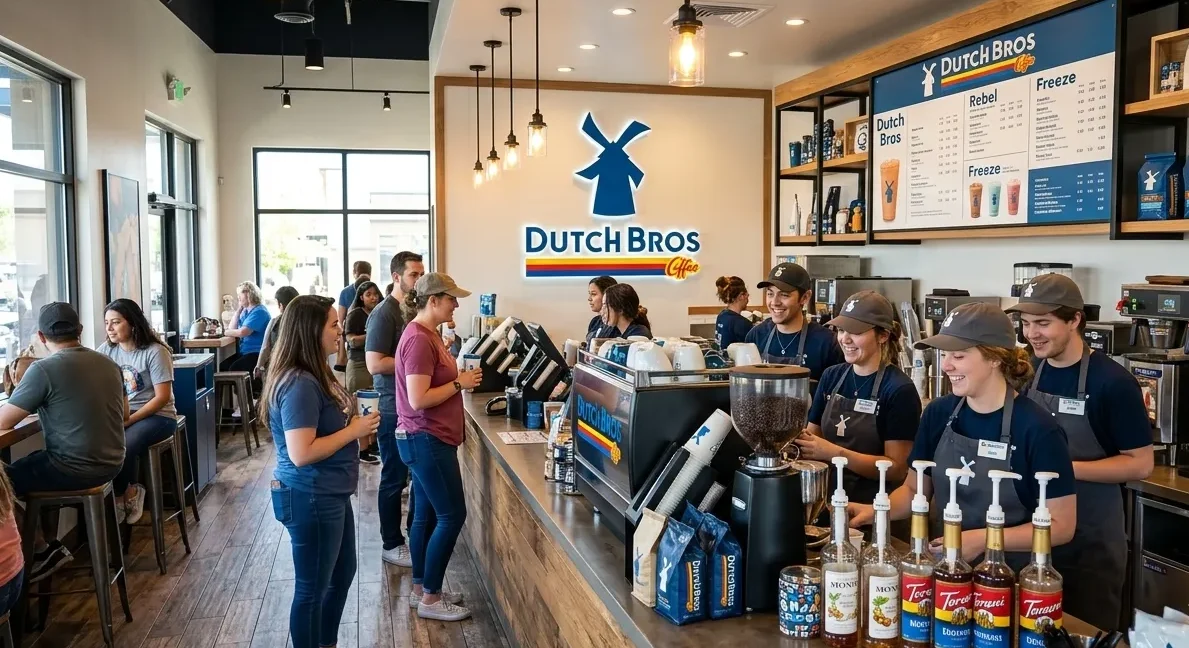
The Dutch Bros Internal Operator Model is the company’s unique expansion strategy, designed to grow the business while maintaining its culture and customer experience. Instead of awarding new franchises to outside investors, Dutch Bros selects high-performing employees who have demonstrated leadership, operational excellence, and a strong commitment to the brand. These individuals are promoted to become operators, not traditional franchisees.
Unlike franchise owners who purchase the rights to operate a business, Dutch Bros operators typically earn their opportunity after spending years working within the company and completing extensive training. This approach helps ensure that every new location follows the brand’s service standards, values, and community-first philosophy.
It’s also important to distinguish between legacy franchise partners and today’s operators. Franchisees who joined Dutch Bros before the company ended public franchising continue to operate under their existing agreements. However, all new locations are now opened through the internal operator program, making it the only path to managing a new Dutch Bros store in 2026.
Dutch Bros Franchise Cost at a Glance (Quick Summary Table)
Before exploring the individual expenses, it’s helpful to look at the overall Dutch Bros Franchise Cost in one place. The table below summarizes the historical investment requirements, franchise fees, financial qualifications, and ongoing charges associated with the brand’s former franchise program. Since Dutch Bros no longer offers public franchise opportunities, these figures are provided for reference purposes only.
| Investment Details | Estimated Amount |
|---|---|
| Historical Franchise Fee | $30,000 |
| Total Initial Investment | $150,000–$500,000 |
| Minimum Liquid Capital | $150,000 |
| Minimum Net Worth | $500,000 |
| Royalty Fee | 5% of Gross Sales |
| Marketing Fee | 2% of Gross Sales |
| Franchise Agreement Term | 10 Years |
| Estimated Construction Timeline | 6 Months–1 Year |
The above estimates offer a snapshot of the historical investment required to operate a Dutch Bros franchise. Keep in mind that the company now follows an internal operator model, so new locations are no longer available through traditional public franchising.
Dutch Bros Franchise Cost Detailed Breakdown
Dutch Bros no longer offers public franchise opportunities. The investment figures below are based on historical franchise information and industry estimates for educational purposes.
Initial Franchise Fee
Historically, the Dutch Bros franchise fee was $30,000. This one-time payment granted franchise partners the right to operate under the Dutch Bros brand and included access to its trademarks, operating systems, recipes, and initial business support. The fee was typically paid when the franchise agreement was signed.
Minimum Liquid Capital and Net Worth Requirements
Prospective franchise partners were generally expected to have at least $150,000 in liquid capital and a minimum net worth of $500,000. Liquid capital refers to cash or assets that can be quickly converted into cash, ensuring operators have enough funds to cover startup expenses and early operating costs.
Total Initial Investment Range
The estimated Dutch Bros Franchise Cost historically ranged from $150,000 to $500,000, depending on several factors. The final investment varied based on the store location, land or lease costs, local construction expenses, permits, and market conditions. Larger or high-traffic locations generally required a higher investment.
Store Build-Out and Construction Costs
Building a Dutch Bros location required compliance with the company’s strict design and operational standards. Construction and build-out costs typically ranged between $200,000 and $400,000, depending on site preparation, local building regulations, utility connections, and labor costs in the selected market.
Equipment and Technology Costs
A Dutch Bros drive-thru store requires commercial-grade equipment to maintain fast service and consistent beverage quality. Equipment costs generally range from $50,000 to $100,000 and include espresso machines, blenders, refrigerators, ice makers, beverage preparation stations, and point-of-sale (POS) systems.
Opening Inventory and Supplies
Before opening, franchise locations needed an initial inventory investment of approximately $10,000 to $20,000. This covered coffee beans, milk, syrups, teas, cups, lids, straws, cleaning supplies, and other essential products sourced through approved suppliers to maintain quality and consistency.
Training and Support Costs
Dutch Bros historically provided a 4–6 week training program covering daily operations, customer service, team management, and company culture. Training and initial support were estimated to cost $10,000 to $20,000. Franchise partners also received ongoing operational guidance, marketing assistance, and technology support.
Ongoing Royalty and Marketing Fees
After opening, franchise partners historically paid a 5% royalty fee based on gross sales. In addition, a 2% marketing fee contributed to national advertising, promotional campaigns, and brand development initiatives that supported the overall Dutch Bros network.
Working Capital for the First Three Months
New operators were advised to maintain $50,000 to $75,000 in working capital during the first three months of operation. This reserve helped cover recurring expenses such as employee wages, utilities, rent, inventory replenishment, insurance, and other operating costs until the business generated stable cash flow.
Space Requirements for a Dutch Bros Location
Dutch Bros locations are designed to support a fast and efficient drive-thru experience rather than a traditional café layout. While requirements may vary depending on the market and site, the following are the typical space considerations:
- Zoning and Permits: The site must comply with local zoning laws, building codes, and permit requirements before construction and operations can begin.
- Store Size: Approximately 500–1,500 sq. ft., depending on the store format and local market.
- Lot Size: Around 0.25–0.75 acres to accommodate the building, drive-thru lanes, and vehicle circulation.
- Store Format: Primarily a standalone drive-thru kiosk with little or no indoor seating.
- Drive-Thru Lanes: One or two lanes are typically required to ensure smooth traffic flow and reduce customer wait times.
- Parking Area: Limited parking for employees and customers, as most sales are generated through the drive-thru.
- Vehicle Stacking Space: Adequate queue space is needed to handle peak-hour traffic without affecting nearby roads.
- Preferred Location: High-visibility sites near busy intersections, shopping centers, office complexes, schools, universities, and major commuter routes.
- Accessibility: The property should provide convenient entry and exit points for vehicles while complying with local traffic regulations.
- Utilities: Reliable access to electricity, water, drainage, internet, and other essential utilities is required for daily operations.
How to Become a Dutch Bros Operator: Step-by-Step Process
Since Dutch Bros no longer offers public franchise opportunities, aspiring business owners must follow the company’s internal operator program to manage a new location. Rather than purchasing a franchise, candidates are selected from within the organization based on their leadership skills, operational performance, and commitment to the brand. Below is an overview of the typical process.
Step 1: Join Dutch Bros as an Employee
Begin your journey by working at Dutch Bros as a Broista or in another entry-level role. This allows you to learn the company’s culture, customer service standards, and daily operations.
Step 2: Build Leadership Experience
Demonstrate strong performance and progress into leadership positions, such as Shift Lead or Shop Manager. Consistent results and team management experience are essential for advancement.
Step 3: Apply for the Internal Operator Program
Qualified employees may be considered for the internal operator program based on their experience, leadership abilities, and overall performance within the company.
Step 4: Meet Financial Requirements
Candidates are expected to demonstrate the financial capability to operate a location, including meeting applicable investment and capital requirements.
Step 5: Complete Training and Evaluation
Selected candidates undergo extensive training covering operations, customer service, financial management, and leadership to prepare them for running a Dutch Bros location.
Step 6: Site Selection and Approval
Dutch Bros works with approved operators to identify a suitable market and location. The proposed site must meet the company’s operational and branding standards.
Step 7: Store Development and Launch
After receiving final approvals, the location is developed, staffed, and prepared for opening with ongoing support from the Dutch Bros corporate team.
Dutch Bros Franchise Profit Potential and ROI
Although Dutch Bros no longer offers public franchise opportunities, many entrepreneurs still want to understand the brand’s historical earning potential. A store’s profitability depends on factors such as location, customer traffic, operating efficiency, and effective cost management. The figures below are industry estimates based on historical franchise performance and publicly available business information.
Average Annual Revenue
A typical Dutch Bros location is estimated to generate $1 million to $1.5 million in annual revenue, while high-performing stores in busy markets can exceed $2 million per year. The brand’s drive-thru-focused business model enables faster service, higher customer throughput, and lower operating overhead compared to traditional coffee shops with large dine-in spaces.
Profit Margin Breakdown
Historically, Dutch Bros locations have been estimated to achieve profit margins of around 15% to 20%, depending on operating costs and sales performance. Profitability is supported by high-margin beverages, which often have markups of 60% to 70%, relatively low food inventory expenses, and an efficient drive-thru model that helps optimize staffing and reduce labor costs.
Expected ROI Timeline
With a strong location, effective management, and consistent sales growth, operators could potentially recover their initial investment within 3 to 5 years. However, the actual return on investment varies based on factors such as site selection, traffic volume, local competition, operating expenses, customer demand, and the ability to deliver a consistent brand experience.
Licenses and Legal Requirements to Open a Dutch Bros Location
Opening a Dutch Bros location requires compliance with several federal, state, and local regulations. While specific requirements vary by location, the following licenses and permits are commonly required before a store can begin operations.
- Business Operating License: Required to legally operate a business within the city or county. It confirms that the business complies with local licensing and regulatory requirements.
- Food Service Permit: Issued by the local health department, this permit allows the business to prepare and serve food and beverages. Health inspections are typically required before opening and may continue periodically.
- Zoning and Land Use Permits: Ensure the selected property is approved for commercial use and meets local zoning regulations. Construction or renovations generally cannot begin until the necessary approvals are obtained.
- Employer Identification Number (EIN): Issued by the Internal Revenue Service (IRS), an EIN is required for federal tax reporting, hiring employees, processing payroll, and opening business bank accounts.
- Sales Tax Permit: Required in most states to collect and remit sales tax on taxable products. Operators must register with the appropriate state tax authority before commencing sales.
- Signage Permits: Exterior signs, menu boards, and illuminated displays often require approval from local authorities to ensure they comply with municipal regulations regarding size, placement, and lighting.
- Ongoing Compliance and Renewals: After opening, operators must renew applicable licenses and permits on time while continuing to comply with health, labor, tax, fire, and safety regulations through regular inspections and reporting requirements.
Dutch Bros vs Other Coffee Franchises: Cost Comparison
If you’re comparing coffee franchise opportunities, it’s important to look beyond the initial investment. Franchise fees, royalty charges, and whether the brand accepts new franchisees can significantly impact your decision. The table below compares Dutch Bros with other leading coffee brands to help you evaluate your options.
| Brand | Investment Range | Franchise Fee | Royalty Fee | Access Type |
|---|---|---|---|---|
| Dutch Bros | $150,000–$500,000* | $30,000* | 5%* | Internal Operator Only |
| Starbucks | Not Available | Not Available | Not Available | Company-Owned (No Public Franchising) |
| Dunkin’ | $526,900–$1,809,500 | $40,000–$90,000 | 5.9% | Open to Qualified Franchisees |
| Tim Hortons | $680,000–$1.9 Million | $50,000 | 6% | Open to Qualified Franchisees |
| Biggby Coffee | $246,305–$973,025 | $20,000 | 6% | Open to Qualified Franchisees |
| Scooter’s Coffee | $894,500–$1,393,000 | $40,000 | 6% | Open to Qualified Franchisees |
Explore more franchise options:
Pros and Cons of Becoming a Dutch Bros Operator
The Dutch Bros internal operator model offers unique advantages for employees who want to grow within the company, but it also comes with certain limitations. Understanding both the benefits and challenges can help you determine whether this opportunity aligns with your career and investment goals.
| Pros | Cons |
|---|---|
| Strong Brand Recognition: Dutch Bros has built a loyal customer base and continues to expand across the United States. | No Public Franchise Opportunities: Outside investors cannot purchase a new Dutch Bros franchise directly. |
| Comprehensive Training and Support: Operators receive extensive training and ongoing operational guidance from the company. | Requires Internal Employment: Candidates typically need several years of experience with Dutch Bros before becoming eligible for the operator program. |
| High Revenue Potential: Well-performing locations can generate strong annual sales, particularly in high-traffic markets. | Highly Competitive Selection Process: Only top-performing employees are considered for operator positions. |
| Community-Focused Culture: The brand emphasizes customer relationships, employee development, and local community involvement. | Limited Expansion Path: Operators must follow the company’s approved growth strategy rather than independently opening locations. |
| Career Growth Opportunities: Employees have a clear pathway to leadership and operator roles through internal promotions. | Strict Operational Standards: Operators are expected to maintain consistent service quality, brand standards, and operational performance. |
Overall, becoming a Dutch Bros operator can be a rewarding opportunity for dedicated employees who are committed to the brand’s culture and long-term growth. However, entrepreneurs looking for a traditional franchise investment should consider that Dutch Bros no longer accepts public franchise applications.
Can I Invest in Dutch Bros Without Working There?
Yes. Although Dutch Bros no longer offers public franchise opportunities, you can still invest in the company’s growth by purchasing its stock. Dutch Bros became a publicly traded company in 2021 and is listed on the New York Stock Exchange (NYSE) under the ticker symbol BROS. Buying shares is currently the only way for outside investors to gain financial exposure to Dutch Bros without working for the company or qualifying through its internal operator program.
Conclusion
Understanding the Dutch Bros Franchise Cost is about more than just reviewing historical investment figures—it’s about recognizing how the company’s unique expansion strategy differs from traditional franchise brands. While Dutch Bros no longer offers public franchise opportunities, its internal operator model has helped preserve the brand’s culture, maintain high service standards, and support its rapid growth across the United States.
If you’re an entrepreneur seeking a conventional coffee franchise, other brands may offer more accessible investment opportunities. However, if you’re passionate about the Dutch Bros brand, joining the company and working toward an operator role remains the primary path to managing a location. Alternatively, investors can participate in the company’s growth by purchasing Dutch Bros (NYSE: BROS) stock.
By understanding the historical Dutch Bros Franchise Cost, operator requirements, profit potential, and legal considerations, you can make a more informed decision about whether this business model aligns with your goals. Be sure to compare multiple coffee franchise opportunities before making your final investment decision.
FAQs
Q: How Much Does It Cost to Open a Dutch Bros Franchise?
Historically, the Dutch Bros Franchise Cost ranged from $150,000 to $500,000, depending on factors such as location, construction, equipment, and startup expenses. However, these figures are for reference only because Dutch Bros no longer offers public franchise opportunities.
Q: Is Dutch Bros Still Franchising in 2026?
No. Dutch Bros stopped offering public franchise opportunities in 2008 and now expands exclusively through its internal operator program. New locations are operated by qualified employees who advance within the company.
Q: What Is the Dutch Bros Franchise Fee?
The historical Dutch Bros franchise fee was $30,000. This one-time fee granted franchise partners the right to operate under the brand and access its operating systems, trademarks, and initial support.
Q: How Do You Become a Dutch Bros Operator?
To become a Dutch Bros operator, you must first work for the company, build leadership experience, and qualify for the internal operator program. Only high-performing employees are considered for operator positions.
Q: How Much Do Dutch Bros Operators Earn Per Year?
Dutch Bros does not publicly disclose operator earnings. Income depends on factors such as store performance, sales volume, operating expenses, and market conditions, so actual earnings can vary significantly.
Q: What Is the Difference Between a Dutch Bros Operator and a Franchisee?
A franchisee purchases the right to operate a business under a franchise agreement, while a Dutch Bros operator is an experienced employee promoted internally to manage a location. Today, Dutch Bros uses the operator model instead of offering new public franchises.
Q: Can I Buy a Dutch Bros Franchise Without Working There?
No. Outside investors cannot purchase a new Dutch Bros franchise. If you want to invest in the company without becoming an operator, you can buy Dutch Bros (NYSE: BROS) stock.
Q: How Long Does Dutch Bros Franchise Approval Take?
There is no public franchise approval process because Dutch Bros no longer accepts franchise applications. Employees typically spend several years developing their skills and advancing through the company’s leadership program before becoming eligible for an operator role.