
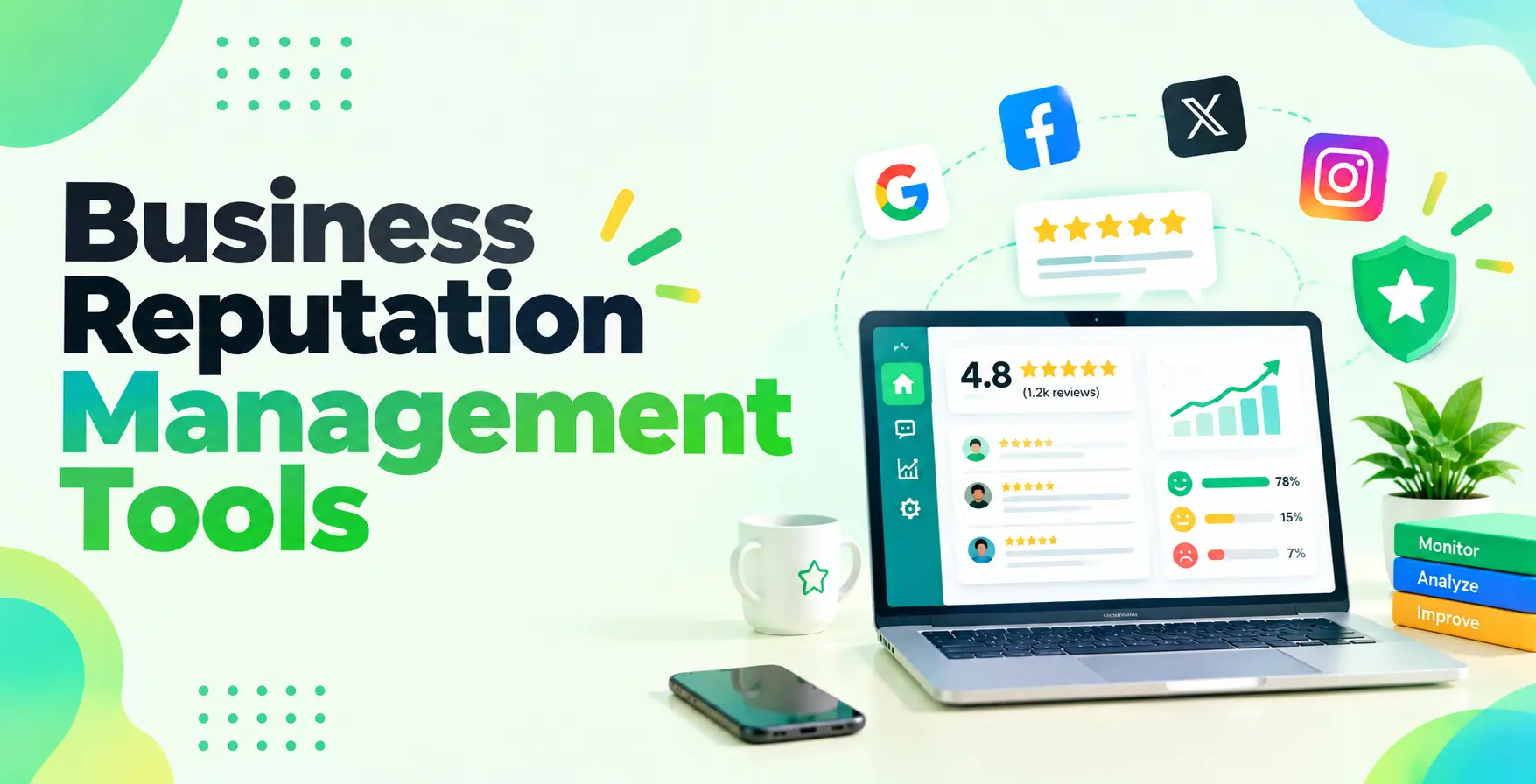
Managing your online reputation can become challenging as your business grows, and business reputation management tools can help you keep track of reviews, customer feedback, and brand mentions in one place. A few unanswered negative reviews or outdated feedback can quickly affect customer trust and push potential buyers toward competitors. At the same time, checking multiple platforms manually can be time-consuming and make it easy to miss important feedback.
Online reviews play a major role in buying decisions, with BrightLocal reporting that 98% of consumers read reviews of local businesses online, while 73% only consider reviews written within the past month. The right reputation management software can help businesses monitor reviews, respond to customers, understand sentiment, and maintain a positive online presence more efficiently. In this guide, we’ll explore the best tools, their features, pricing, pros and cons, and what each one is best suited for.
What Is Reputation Management Software?
Reputation management software is a specialized software application designed to monitor and enhance a company’s online reputation. Many people who purchase your products leave reviews on online sites such as Google, Yelp, and Facebook. Sometimes they write positive things that will help the sales, sometimes negative things that will deter the sales. business reputation management tools link these various websites into one programmatic dashboard. You don’t need to visit 10 different web sites each day. All reviews are automatically centralised in the software.
These tools not only let you read reviews, but also reply to customers directly from the dashboard. You can respond to the one-star review and apologize publicly and correct the issue. Moreover, they can also automatically text or email satisfied customers and urge them to provide a positive review. They can also provide in-depth reports to indicate whether your customer satisfaction is getting better or worse over time.
Why Reputation Management Matters for Businesses
Let’s have a look at each of the reasons why it is so crucial to have a good business reputation with the help of best business reputation management tools:
- Online reviews give potential customers a deal of credibility. Having a lot of positive reviews will make a great first impression, and if complaints aren’t addressed, potential customers will turn to other businesses.
- They help with search engine optimization (SEO), where search engines such as Google will value credible companies. Positive reviews help increase local rankings, resulting in more organic leads and sales without the need for advertising. With positive reviews, you can consistently attract new ones that can boost your local ranking to increase leads and sales without paid advertising.
- Taking prompt and efficient action to negative reviews can convert an unhappy customer to a loyal customer.
- Captures areas for improvement: Review feedback identifies what is working and what is not in your business and recommends actions for your business.
What to Look for in Business Reputation Management Tools
When choosing the business reputation management tools, there are certain features that you should choose:
- Comprehensive review monitoring: Make sure the tool works with all of the most important review sites that are applicable to your business, such as Google Business Profile and Facebook.
- Automated review generation: The system should automatically follow up with customers via email or SMS after they have made a purchase, ensuring that you have a steady stream of good reviews.
- Sentiment analysis: Scour for artificial intelligence features that automatically interpret and classify thousands of reviews as positive or negative, which can save you the time and effort of manually sifting through them all.
- Easy-to-use interface and excellent customer support: Opt for a platform that offers a user-friendly interface to reduce training time, excellent customer support, and affordable pricing.
Comparison of Best Business Reputation Management Tools
| Tool | Best For | Starting Price | Key Feature |
| Birdeye | Local businesses wanting more reviews | Custom pricing | Automated review generation |
| Podium | Text message based communication | 399 dollars per month | Unified customer inbox |
| Reputation | Large enterprise corporations | Custom pricing | Advanced sentiment analysis |
| Yotpo | Ecommerce online stores | Free plan available | Visual user generated content |
| Trustpilot | Global brand trust building | 225 dollars per month | Verified customer reviews |
| Yext | Managing local business listings | 199 dollars per year | Global directory syncing |
| Brand24 | Social media monitoring | 99 dollars per month | Real time brand mentions |
| Mention | Small business social listening | 49 dollars per month | Competitor brand tracking |
| ReviewTrackers | Multi location retail stores | Custom pricing | Customer experience analytics |
| Sprout Social | Complete social media management | 249 dollars per month | Deep social media reporting |
List of 10 Best Business Reputation Management Tools
1. Birdeye
- Website: https://birdeye.com/
- Best for: Local businesses wanting more reviews
Birdeye is an incredibly powerful platform designed to help local businesses collect reviews and manage their online presence effortlessly, making it a practical choice for businesses exploring business reputation management tools. It allows companies to automate review requests through text messages and emails, ensuring a constant flow of fresh customer feedback.
The software centralizes all your messages and reviews into a single inbox for easy replies. Additionally, Birdeye offers advanced artificial intelligence tools to analyze customer sentiment and highlight areas where your business needs improvement for maximum growth.
Key features:
- Automated text message and email review generation
- Artificial intelligence powered customer sentiment analysis
- Centralized inbox for all customer communications
Pros:
- Extremely easy to use for beginners
- Integrates with thousands of other business applications
- Excellent customer support team available
Cons:
- Pricing is custom and can be expensive
- Setup process takes some time to complete
- Mobile application lacks some desktop features
Pricing:
- Custom Quote
2. Podium
- Website: https://www.podium.com/
- Best for: Text message based communication
Podium is a popular reputation platform that focuses heavily on text messaging to connect with customers, making it a useful option among business reputation management tools for businesses that rely on fast customer communication. It helps local businesses send automated text messages asking for reviews directly after a sale is completed. Because text messages have high open rates, businesses often see a massive increase in positive Google reviews.
Podium also combines all customer interactions from Facebook, Instagram, and web chat into one simple dashboard, making it very easy for your team to reply quickly.
Key features:
- High conversion text message review requests
- Unified inbox for social media and text chats
- Easy web chat widget for your business website
Pros:
- Text messages get very fast customer responses
- Very clean and modern software interface
- Great for local service businesses like plumbers
Cons:
- Starting price is quite high for small shops
- Adding extra team members costs more money
- Reporting features are somewhat basic
Pricing:
- Custom Quote
3. Reputation
- Website: https://reputation.com/platform
- Best for: Large enterprise corporations
Reputation is a massive and comprehensive platform built specifically for large enterprise companies with hundreds of locations. Its ability to bring customer feedback, review monitoring, and reputation insights together makes it a powerful choice for businesses considering business reputation management tools at an enterprise scale. It provides deep data analysis on customer feedback across every major review site and social media channel.
The software uses powerful artificial intelligence to read thousands of reviews and tell you exactly what customers like or dislike about your brand. It also offers advanced ticketing systems so large customer service teams can handle complaints efficiently without missing a single issue.
Key features:
- Deep customer experience analytics and reporting
- Advanced ticketing system for resolving complaints
- Social media scheduling and brand monitoring
Pros:
- Perfect for companies with many physical locations
- Extremely detailed and customizable reporting tools
- Powerful artificial intelligence text analysis
Cons:
- Far too complex for a small local business
- Requires extensive training for new employees
- Very expensive compared to standard tools
Pricing:
| Plan Name | Monthly Cost |
| Rep Core | $80 |
| Rep Core + Pulse | $115 |
| Rep Core + Surveys | $150 |
| Enterprise | Custom |
4. Yotpo
- Website: https://www.yotpo.com/
- Best for: Ecommerce online stores
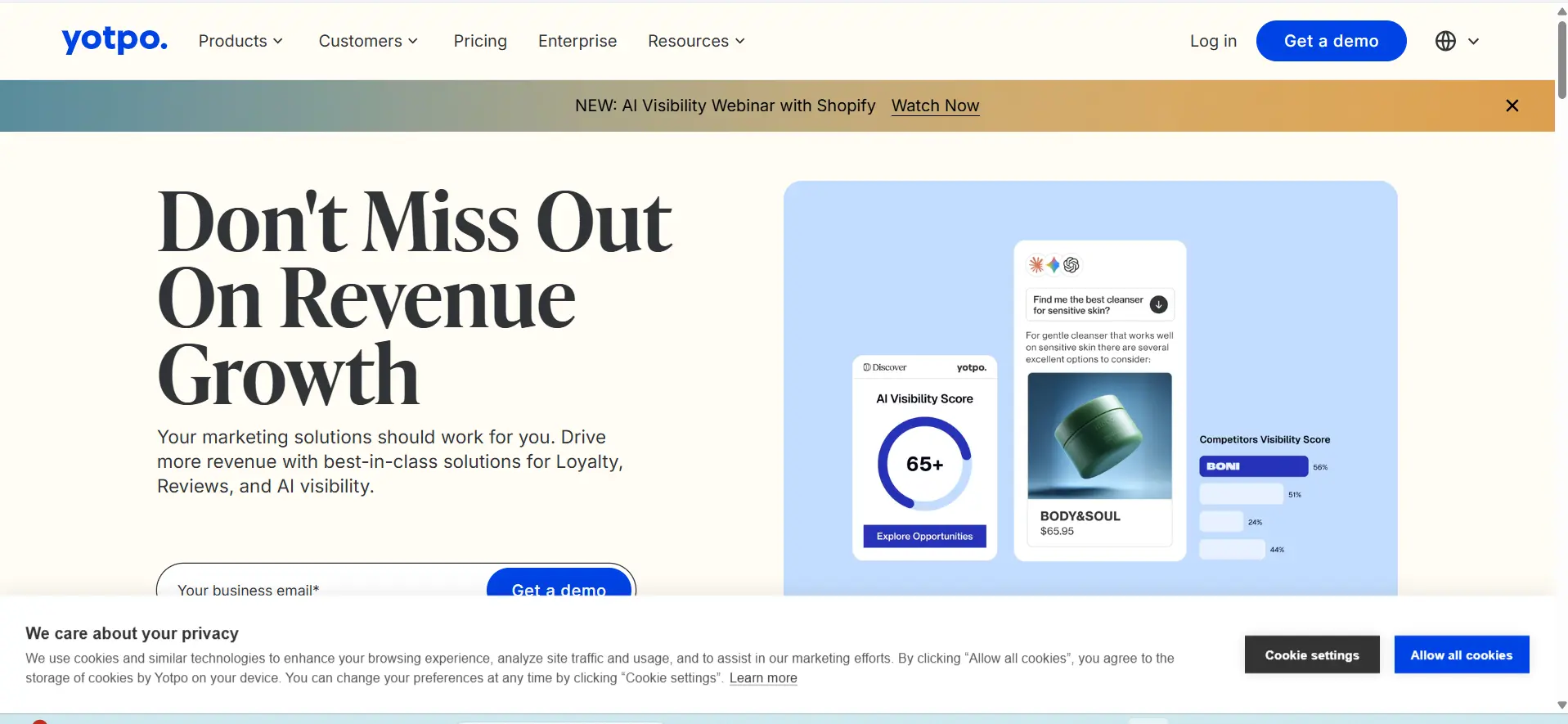
Yotpo is one of the fantastic business reputation management tools designed specifically for online ecommerce stores. It helps online sellers collect product reviews, site reviews, and even customer photos or videos seamlessly. By displaying these real customer photos directly on your product pages, you can significantly increase buyer trust and boost your online sales.
Yotpo integrates perfectly with major shopping platforms like Shopify and BigCommerce. It also allows you to reward customers with loyalty points for leaving positive product reviews.
Key features:
- Collects visual user generated photos and videos
- Seamless integration with Shopify and other platforms
- Built in customer loyalty and referral programs
Pros:
- Excellent free plan available for new stores
- Highly customizable display widgets for websites
- Drives a lot of direct sales through trust
Cons:
- Premium plans become very expensive quickly
- Customer support can be slow on free plans
- Initial setup requires some technical knowledge
Pricing:
| Plan Name | Monthly Cost |
| Starter | $89 |
| Pro | $169 |
| Premium | Custom Quote |
| Enterprise | Custom Quote |
5. Trustpilot
- Website: https://www.trustpilot.com/
- Best for: Global brand trust building
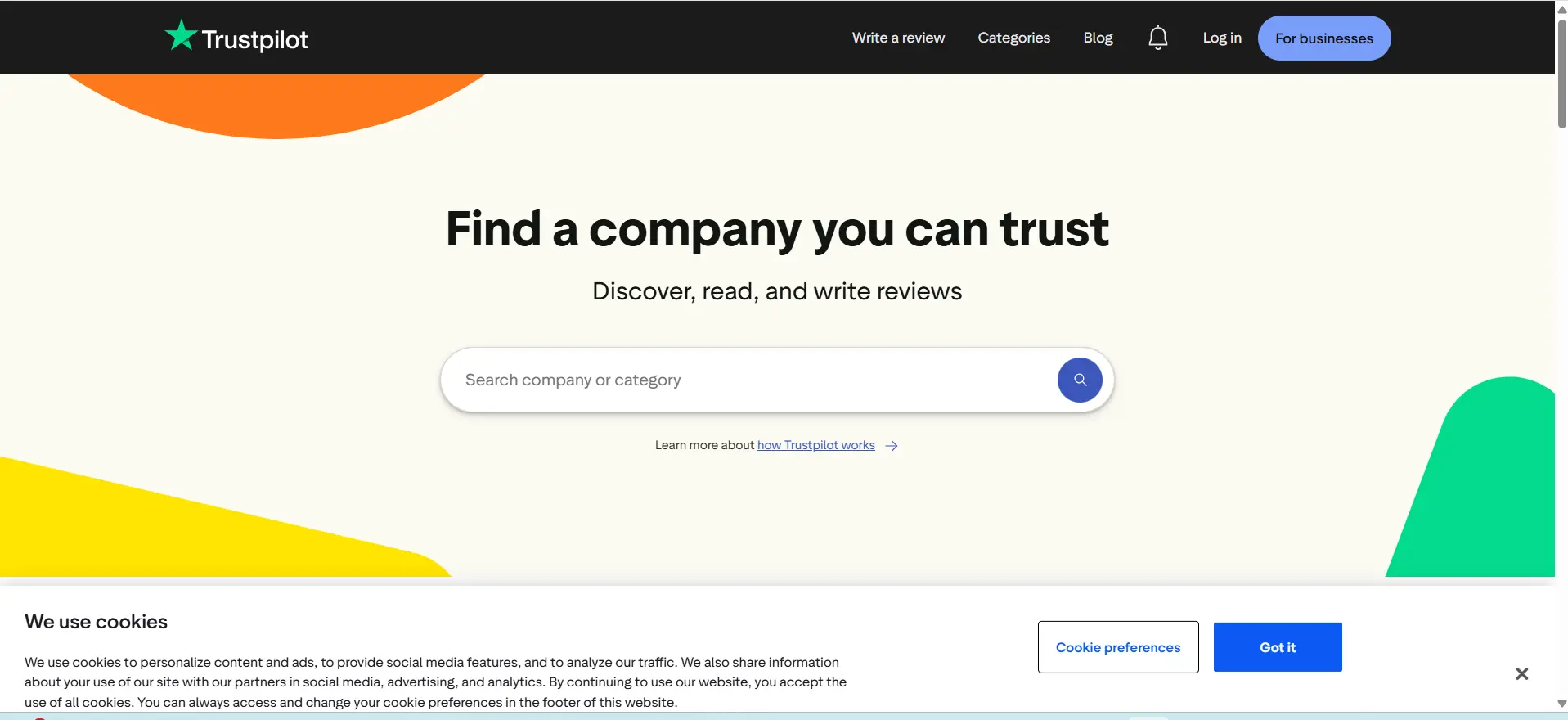
Trustpilot is one of the most recognized and trusted review platforms in the entire world. When customers see the famous Trustpilot star logo on your website, they instantly feel safer buying from you. The platform allows businesses to invite customers to leave transparent and verified reviews.
Because Trustpilot ranks highly on Google search results, having a profile there greatly improves your brand visibility. It is an essential tool for companies that want to build global consumer trust quickly.
Key features:
- Globally recognized consumer trust score badge
- Automated review invitations via email
- High ranking public profile on Google search
Pros:
- Instantly boosts credibility with the famous logo
- Very easy to display reviews on your site
- Excellent protection against fake spam reviews
Cons:
- Free version has very limited features
- Paid plans are quite expensive for small teams
- You cannot remove genuine negative reviews easily
Pricing:
| Plan Name | Monthly Cost |
| Starter | $99 |
| Plus | $319 |
| Premium | $799 |
| Enterprise | Contact sales |
6. Yext
- Website: https://www.yext.com/
- Best for: Managing local business listings
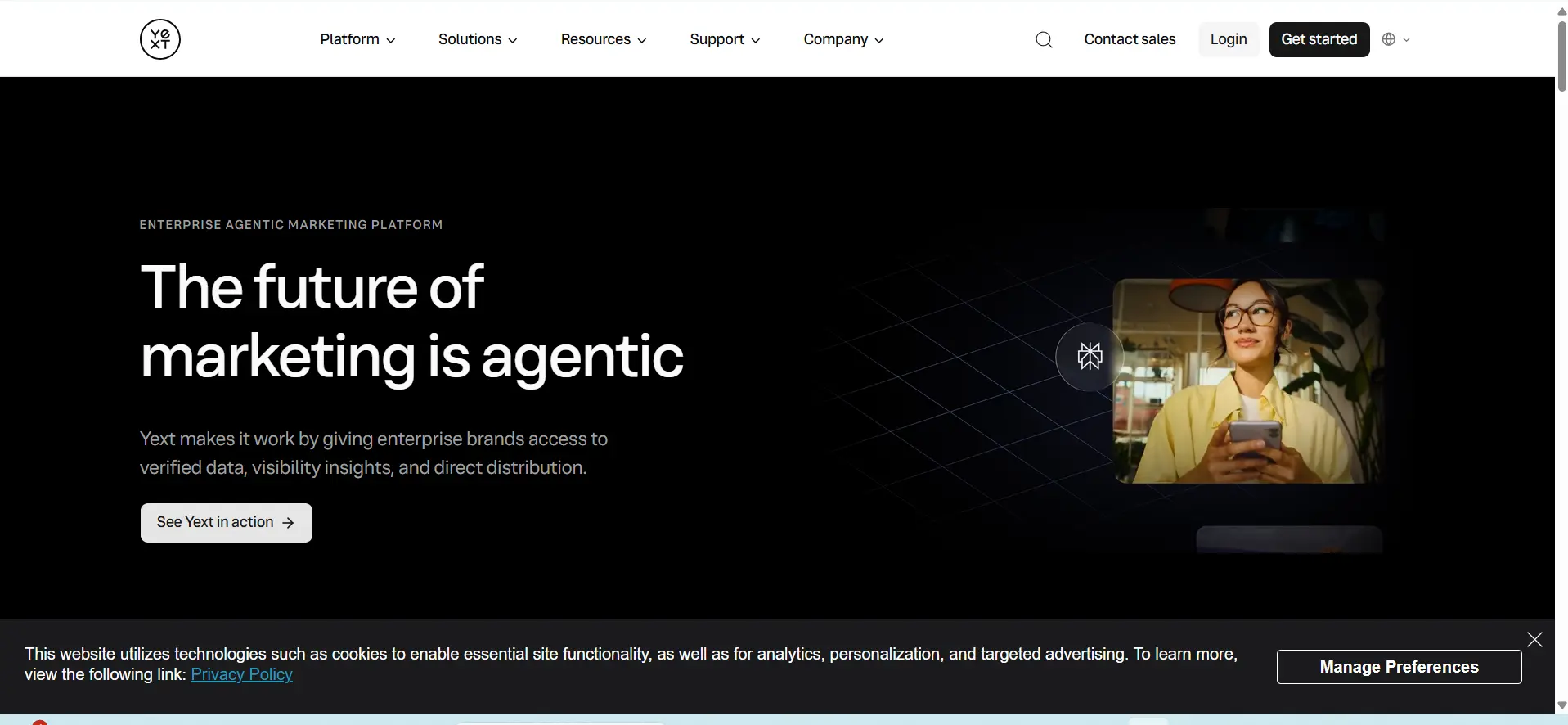
Yext is a unique software tool that focuses heavily on controlling your business information across the internet. It ensures your business name, address, phone number, and hours are perfectly accurate on hundreds of different online directories and maps, making it a useful addition to business reputation management tools for businesses that want to maintain a consistent online presence.
When your information is consistent everywhere, Google trusts your business more, which improves your local search rankings. Yext also pulls in customer reviews from all these different directories so you can monitor your overall reputation from one central dashboard safely.
Key features:
- Automatic synchronization across hundreds of directories
- Centralized monitoring for local business reviews
- Protection against unauthorized changes to your listings
Pros:
- Saves hundreds of hours of manual data entry
- Massively improves local search engine optimization
- Ensures customers never find wrong business hours
Cons:
- If you cancel, some directories may revert back
- The interface can be slightly confusing at first
- Focuses more on listings than review generation
Pricing:
- Custom Quote
7. Brand24
- Website: https://brand24.com/
- Best for: Social media monitoring
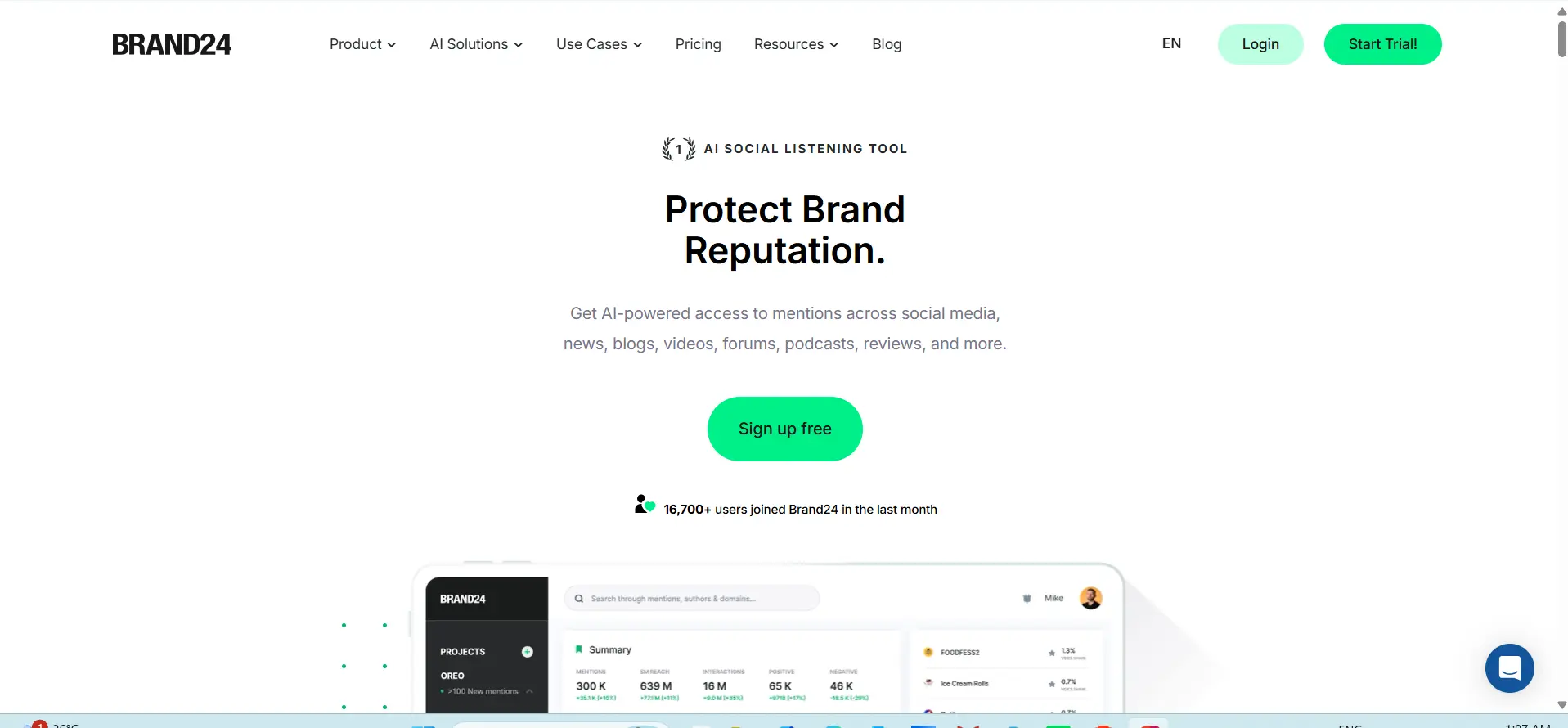
Brand24 is a powerful social listening tool that helps businesses track every single time someone mentions their name on the internet. It scans social media networks, blogs, news sites, and public forums to find conversations about your brand, making it a valuable option among business reputation management tools.
This allows you to jump into conversations, thank happy fans, or resolve complaints before they go viral. The software also provides an overall sentiment score, so you can easily see if the public mood regarding your brand is positive or negative.
Key features:
- Real time tracking of brand mentions online
- Automated sentiment analysis for all mentions
- Daily reports and instant email alert notifications
Pros:
- Very affordable pricing for small businesses
- Catches conversations happening outside of review sites
- Excellent tool for tracking your direct competitors
Cons:
- Does not have review generation features
- Sometimes catches irrelevant mentions and spam
- Historical data access requires a more expensive plan
Pricing:
| Plan Name | Monthly Cost |
| Individual | $199 |
| Team | $299 |
| Pro | $399 |
| Business | $599 |
| Enterprise | from $1499 |
8. Mention
- Website: https://mention.com/en/
- Best for: Small business social listening
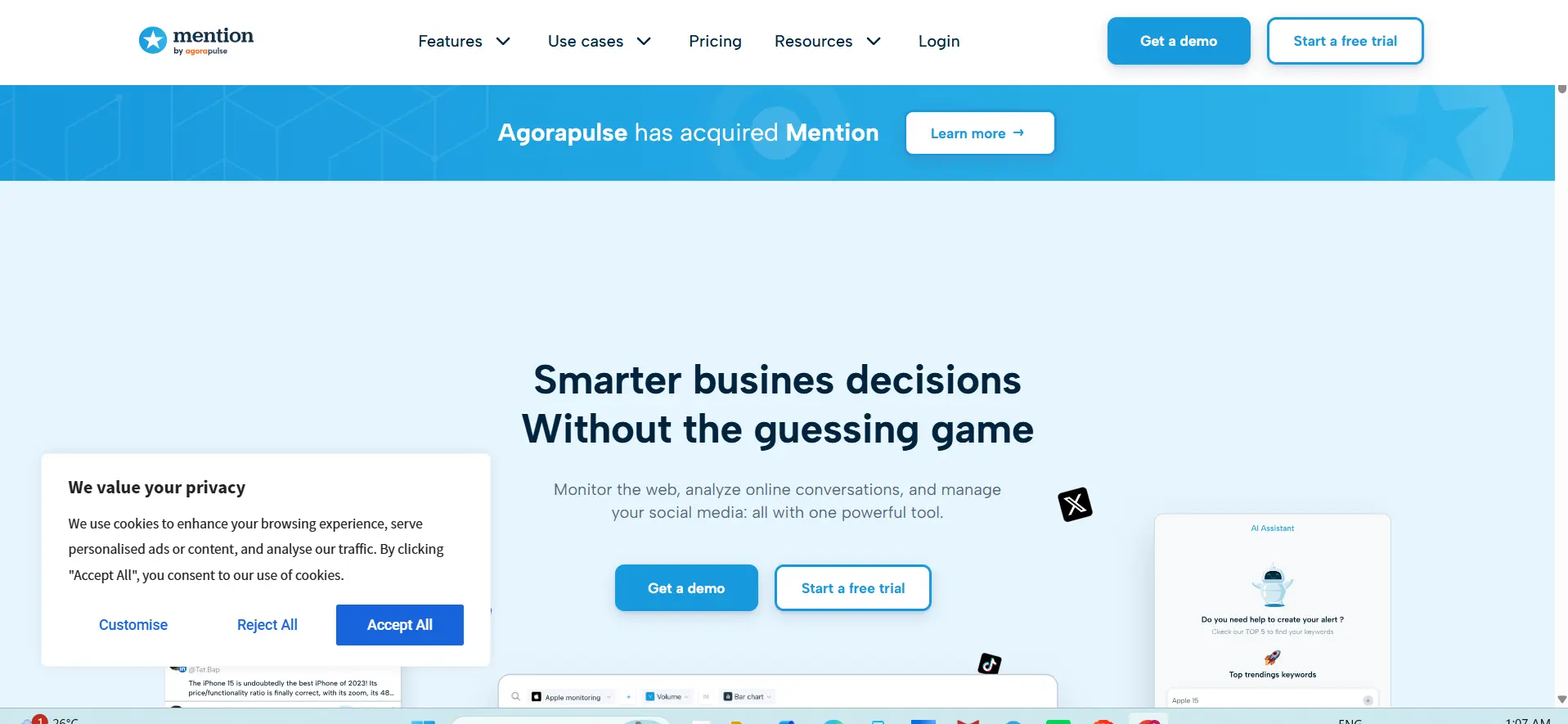
Mention is a very user friendly social listening platform designed for smaller brands and marketing agencies. Like Brand24, it monitors the web and social media for your brand name, products, or industry keywords. It allows you to monitor what your competitors are doing and how customers react to them.
Mention provides a very clean interface where you can organize mentions into different folders and assign them to specific team members to ensure every customer comment gets a proper response.
Key features:
- Comprehensive web and social media monitoring
- Team collaboration tools for assigning tasks
- Custom automated reports delivered to your inbox
Pros:
- Very clean and intuitive user interface
- Great for tracking industry trends and keywords
- Allows direct publishing to social media accounts
Cons:
- Data limits on cheaper plans are quite low
- Can be overwhelming if you track too many words
- Customer support is mainly email based
Pricing:
- Custom Quote
9. ReviewTrackers
- Website: https://www.reviewtrackers.com/
- Best for: Multi location retail stores
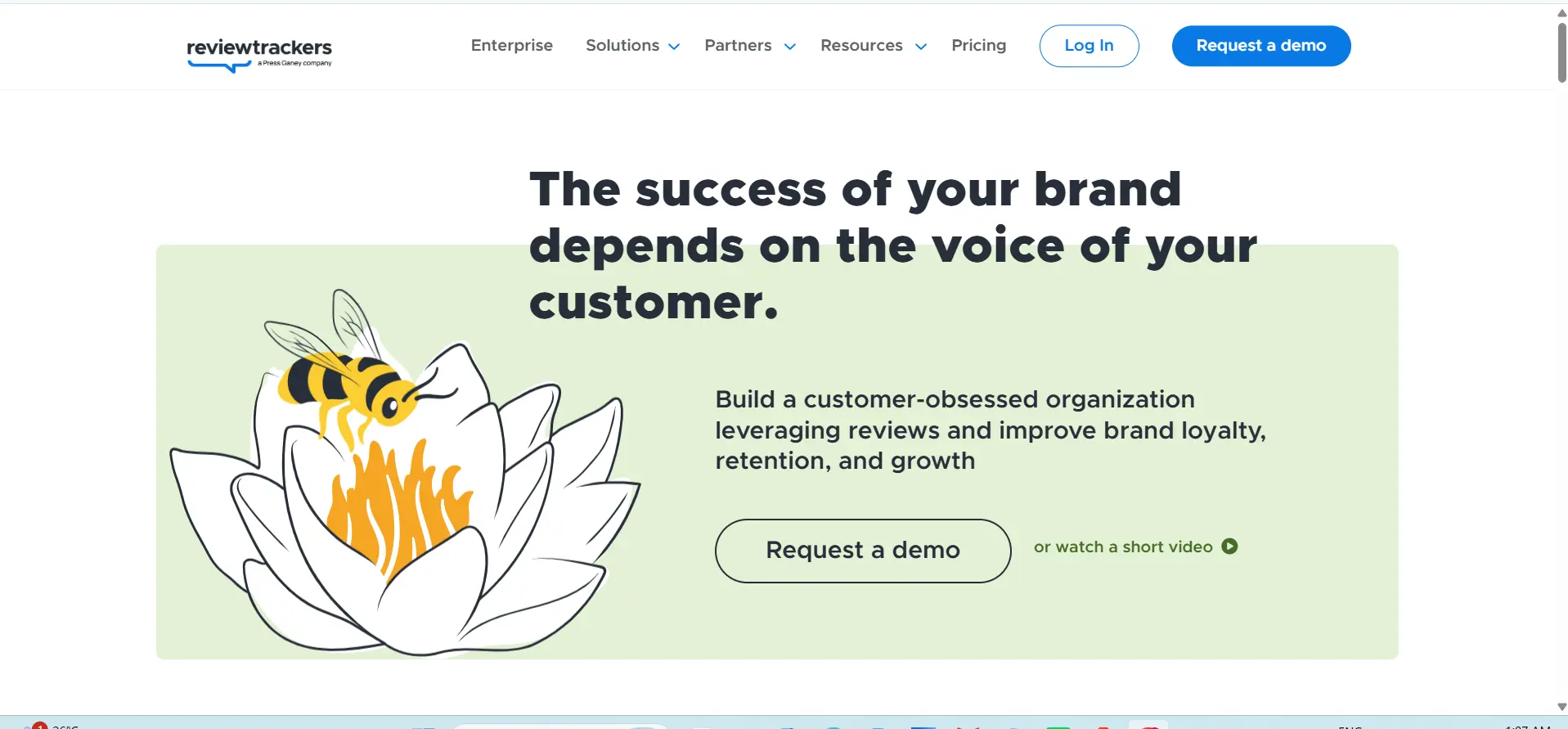
ReviewTrackers is one of the award winning busineses reputation management tools built specifically to help businesses with multiple physical locations. It collects reviews from over a hundred different websites and brings them into one easy to read dashboard.
The platform is highly focused on data analytics, helping corporate managers understand exactly which specific store locations are performing well and which ones need urgent improvement. It also provides excellent tools for generating new reviews to continuously boost your overall local search engine rankings.
Key features:
- Monitors over a hundred different review websites
- Deep location based performance analytics
- Automated campaigns to generate new customer feedback
Pros:
- Perfect for restaurant chains and retail stores
- Very strong and detailed data reporting tools
- Easy to compare different physical locations
Cons:
- Not suitable for single location small businesses
- Pricing requires a custom quote from sales
- Setup can be complicated for large organizations
Pricing:
- Custom Quote
10. Sprout Social
- Website: https://sproutsocial.com/
- Best for: Complete social media management
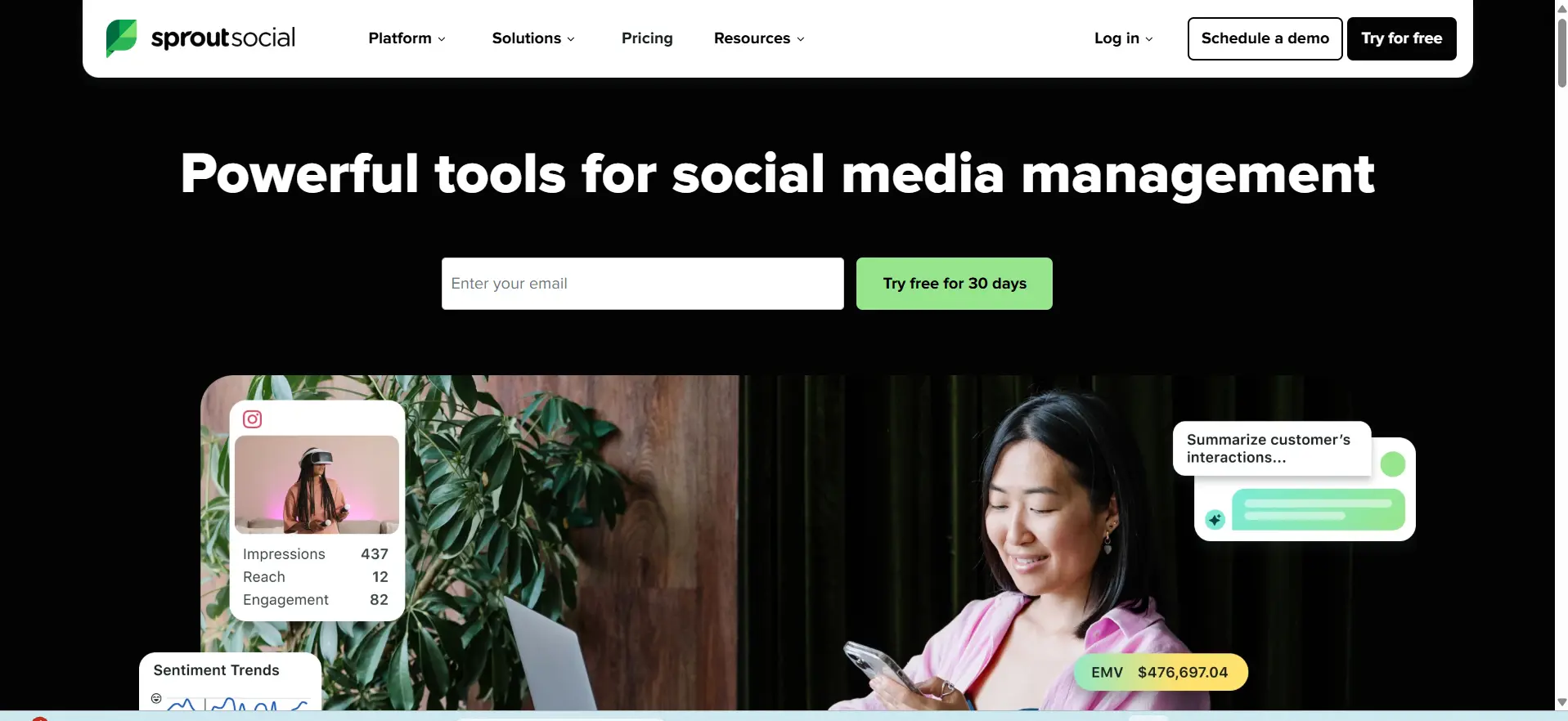
Sprout Social is a premium and comprehensive social media management platform that includes very strong reputation management features. It is designed for businesses that want to handle their social media posting, customer service, and review monitoring all in one single place, making it a versatile choice among business reputation management tools for managing customer interactions at scale.
The platform pulls in direct and instant messages, social comments, and public reviews into a smart inbox. This ensures your marketing team never misses an opportunity to engage with a customer, protect your brand image, or resolve a public complaint quickly.
Key features:
- Smart inbox that combines messages and reviews
- Advanced social media scheduling and publishing
- In depth audience demographic and performance reports
Pros:
- Replaces the need for multiple different marketing tools
- Extremely beautiful and easy to navigate interface
- World class customer support and training resources
Cons:
- One of the most expensive tools on the market
- Too many features if you only want review tracking
- Adding extra users increases the cost significantly
Pricing:
| Plan Name | Monthly Cost |
| Essentials | $79 |
| Standard | $199 |
| Professional | $299 |
| Advanced | $399 |
| Enterprise | Custom |
How to Build a Reputation Management Strategy
A clear execution plan will enhance the use of your new software:
- Do a brand check: Check your company name on Google and the main review sites. Make note of your current star ratings, as well as any recurring issues before they can be addressed.
- Set clear, attainable objectives: Make sure your objectives are clear and attainable, like 50 reviews per month, and your software follows your specific targets.
- Develop a policy for responding: Create a response team and have them read and respond to reviews, and have a clear time or deadline for responding (e.g., 24 hours).
- Request reviews at an opportune time: Requesting feedback after giving a service that created customer satisfaction is the best time.
Final Thoughts
Your online reputation is a priceless digital asset. A positive reputation takes a long time to establish, but a negative one can be lost easily after just a couple of unaddressed bad reviews. For any business in today’s digital landscape, choosing the right business reputation management tools is no longer an option but an important part of building trust and maintaining long-term growth.
First of all, claim your business accounts, listen to your customers, and interact with them actively every day. Select the software that you want from the comprehensive list above, make a strong strategy, and let your business grow in today’s digital marketplace.
FAQs
1. What Is Reputation Management Software?
It is a specialized digital tool that helps businesses monitor online reviews, track social media mentions, and respond to all customer feedback from one single, unified digital dashboard instead of checking multiple sites.
2. Can I Delete Bad Google Reviews?
You cannot simply delete a genuine negative review. You can only flag reviews for removal if they violate Google policies, such as containing spam, fake information, or highly inappropriate language.
3. How Much Do These Software Tools Cost?
Prices vary widely based on features. Basic tools for small businesses start around fifty dollars per month, while complex enterprise platforms can cost several hundred or even thousands of dollars monthly.
4. Why Are Online Reviews So Important?
Reviews act as digital word of mouth. Most modern consumers trust online reviews just as much as personal recommendations from friends, making them essential for building trust and increasing your sales.
5. Is It Illegal To Pay For Positive Reviews?
Yes, paying people to write fake positive reviews is highly unethical and violates the terms of service of all major review platforms. It can also lead to massive legal fines.