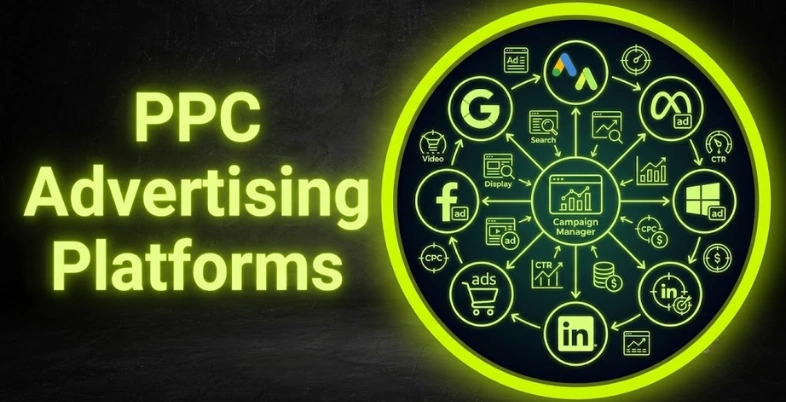
PPC advertising platforms are online advertising outlets in which businesses pay to promote ads to potential customers. PPC refers to pay-per-click, in which you generally pay when a user clicks on your ad. The advertising programs and platforms, which PPC uses to target relevant audiences, create advertising projects, designate the overall, particular and group expenditure plan and place bids with view tracking and performance marketing company.
Google Ads is a famous example in which an auction occurs every time a relevant search is triggered. The following auction considers the bid, ad quality, competition, search context and expected impact of ad assets to determine placement. This guide covers 10 of the best PPC advertising platforms available, including descriptions, costs, pricing models, advantages, disadvantages and tips.
What Are PPC Advertising Platforms?
PPC advertising platforms are online systems where businesses create paid advertisements and pay according to clicks or another selected advertising action.
PPC platforms typically provide:
- Keyword or audience targeting
- Ad creation tools
- Budget and bid controls
- Conversion tracking
- Campaign reporting
- Audience segmentation
- Automated bidding
- Remarketing
- Shopping or product advertising
PPC does not always mean search advertising. Amazon Sponsored Products, LinkedIn ads, Reddit ads, and other campaigns use auction-based advertising with CPC or other billing models. Microsoft describes PPC as a cost structure where advertisers pay when users click paid search ads.
PPC Advertising Platforms vs. Social Media Advertising Platforms
PPC advertising platforms and social media advertising platforms overlap, but their targeting methods differ.
| Factor | PPC Search Platforms | Social Media Advertising Platforms |
| Main targeting method | Keywords and search intent | Audience characteristics and behaviour |
| Typical user intent | Often higher when users search for a solution | Depends on campaign and audience |
| Main ad formats | Search, Shopping, Display, video | Image, video, carousel, lead and other formats |
| Common goals | Leads, sales, website traffic | Awareness, engagement, leads, sales |
| Examples | Google Ads, Microsoft Advertising | Meta Ads, TikTok Ads, LinkedIn Ads |
| Pricing | Often CPC, CPA, CPM or automated bidding | CPC, CPM, CPA, CPV or objective-based pricing |
The distinction is not absolute. Social platforms also offer CPC campaigns, while search platforms offer display, video, shopping, and other formats.
For example, LinkedIn offers pay-per-click Text Ads alongside other campaign types, while its broader advertising system uses auction-based pricing and different chargeable events based on campaign objectives.
PPC Advertising Platforms Comparison
| Platform | Best for | Description | Key features | Pros | Cons | Pricing |
| Google Ads | Search, Shopping, local services | Google’s advertising platform for Search, Shopping, Display, YouTube and more | Keywords, Shopping, Performance Max, conversion tracking, remarketing | Huge search reach, strong intent targeting, extensive campaign options | Competitive keywords often cost more, account setup needs attention | Auction-based, CPC and other bidding models |
| Microsoft Advertising | Search campaigns | Paid advertising across Microsoft search properties and partner networks | Search ads, audience targeting, automated bidding, import tools | Access to Bing users, Google Ads import options | Smaller search audience than Google | CPC and other campaign pricing models |
| Amazon Ads | Ecommerce and product sales | Advertising tools for products and brands on Amazon | Sponsored Products, Sponsored Brands, product targeting, keyword targeting | Strong shopping intent, product-focused reporting | Primarily useful for businesses selling eligible products | CPC for Sponsored Products and Sponsored Brands |
| Meta Ads | Consumer brands and social campaigns | Advertising across Facebook, Instagram and related placements | Audience targeting, image and video ads, lead campaigns, conversion campaigns | Large consumer audience, strong creative formats | Less dependent on direct search intent | Auction-based, depending on objective and bidding |
| LinkedIn Ads | B2B and professional audiences | Advertising platform built around LinkedIn’s professional network | Job-title targeting, industry targeting, lead generation, website conversions | Detailed professional targeting | Audience costs often suit larger B2B budgets | Auction-based, with minimum daily budget starting at $10 |
| TikTok Ads | Short-form video campaigns | Advertising platform for TikTok audiences | Video ads, audience targeting, automated bidding, conversion campaigns | Strong video-first environment | Creative production needs are higher than text search ads | Auction-based, with objective-specific bidding |
| Pinterest Ads | Product discovery and visual commerce | Advertising platform built around visual search and discovery | Shopping ads, promoted content, audience targeting | Useful for visual products and planning-oriented searches | Audience fit varies by market and category | Budget and bid controlled by advertiser |
| Reddit Ads | Niche communities | Advertising platform for reaching Reddit communities and interests | Community targeting, keyword targeting, image, video and carousel ads | Strong community-level targeting | Results depend heavily on audience and creative fit | CPC, CPM or CPV depending on objective |
| Apple Search Ads | App promotion | Advertising platform for promoting apps in Apple’s App Store | Keyword targeting, audience targeting, campaign management | Direct access to App Store search traffic | Designed primarily for app marketers | Auction-based cost-per-tap model |
| Walmart Connect | Ecommerce and retail advertising | Advertising system for reaching Walmart shoppers | Sponsored Products, onsite advertising, audience solutions | Useful for brands selling through Walmart | Relevant mainly to Walmart sellers and retail advertisers | Pricing varies by advertising format and campaign |
List of Best PPC Advertising Platforms
1. Google Ads
- Website: https://business.google.com/
- Best for: Search advertising, Shopping, local businesses, lead generation, ecommerce, and remarketing.
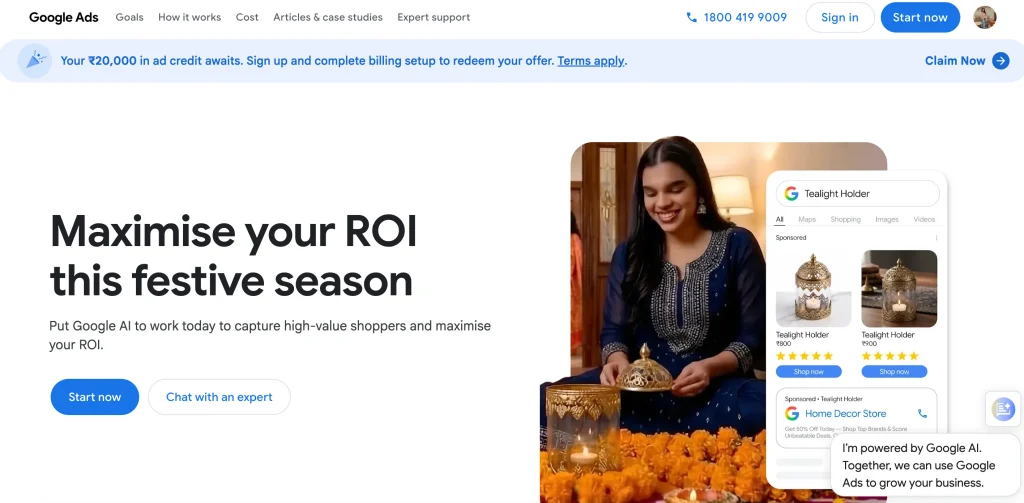
Google Ads is the pay-per-click advertising platform for connecting with users on Google Search, YouTube, Display, Shopping and other Google properties. Search campaigns enable businesses to target users with relevant search terms and user intent.
Various campaign types are available to generate leads, keyword research services, sell products/services, drive app installs and build awareness. It also offers granular reporting on clicks, conversions, CPC etc.
Key features:
- Search and Shopping campaigns
- Performance Max campaigns
- Keyword targeting
- Location targeting
- Conversion tracking
- Remarketing
- Automated bidding
- Ad assets
Pros:
- Access to a huge search audience
- Strong keyword targeting
- Detailed conversion measurement
- Suitable for businesses of different sizes
Cons:
- High competition in commercial search terms
- Poor keyword selection can waste budget
- Campaign management requires regular monitoring
Pricing:
Google Ads uses auctions. You set bids and budgets according to your campaign setup. Actual CPC is often lower than the maximum CPC bid because the advertiser generally pays the amount required to clear relevant thresholds and compete for the position.
2. Microsoft Advertising
- Website: https://ads.microsoft.com/
- Best for: Search campaigns targeting Bing users and additional search traffic.
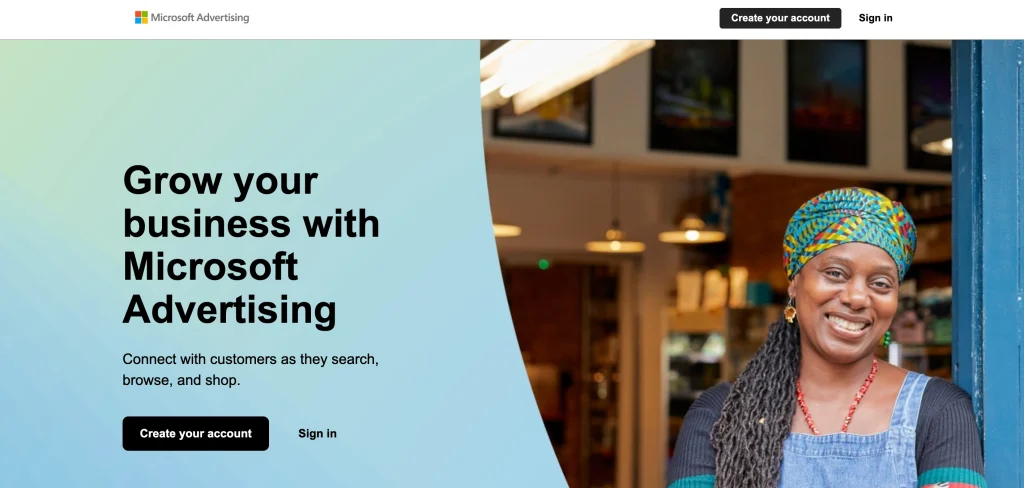
Microsoft Advertising has the ability to show advertisers ads on Bing and the rest of the Microsoft advertising network, making it one of the useful PPC advertising platforms for reaching search users outside Google.
Search campaigns reach users via keywords, search queries, location, device, and audience signals. Microsoft Advertising also includes shopping and audience advertising for businesses that have multiple advertising goals.
Key features:
- Search advertising
- Keyword targeting
- Audience targeting
- Conversion tracking
- Automated bidding
- Budget controls
- Campaign import options
Pros:
- Access to Bing search traffic
- Flexible budget controls
- Useful additional search coverage
- Google campaign import support
Cons:
- Smaller search audience than Google
- Lower traffic volume for some keywords
- Performance varies by market
Pricing:
Microsoft Advertising uses CPC and other pricing models depending on campaign type. Advertisers set budgets and bidding parameters, with costs affected by competition, targeting, and campaign settings.
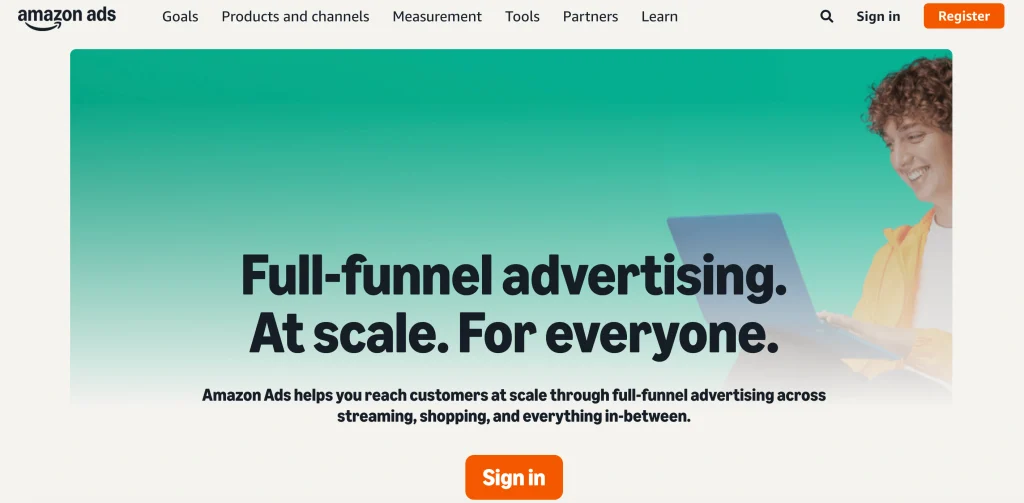
3. Amazon Ads
- Website: https://advertising.amazon.com/
- Best for: Ecommerce brands and sellers looking to promote products.
Amazon Ads is primarily built for sellers using Amazon and brands who wish to target shoppers in the very specific moments they’re researching and purchasing.
Sponsored Products delivers ads in both Amazon search and on product pages. Sponsored Brands advertise a brand, product or store and Sponsored Display offers further audience targeting.
Key features:
- Sponsored Products
- Sponsored Brands
- Product targeting
- Keyword targeting
- Shopping-focused reporting
- Brand Store advertising
Pros:
- Strong product purchase intent
- Direct access to Amazon shoppers
- Product-level targeting
- Useful sales reporting
Cons:
- Primarily suited to ecommerce
- Competition varies sharply by product category
- Advertising works best with strong product listings
Pricing:
Sponsored Products and Sponsored Brands use CPC pricing. Advertisers control campaign budgets and bids. Amazon also offers other formats with CPM or different pricing structures.
4. Meta Ads
- Website: https://www.facebook.com/business/m/get-started-meta-advertising
- Best for: Consumer products, ecommerce, lead generation, and visual advertising.
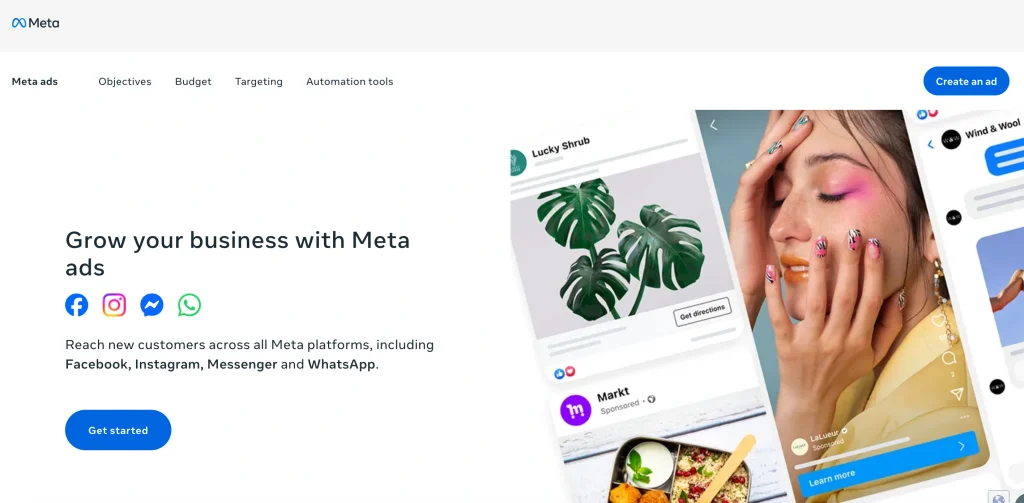
Meta Ads is one of the popular PPC advertising platforms that allows businesses to run ads on Facebook, Instagram, Messenger, and other Meta placements.
Advertisers choose campaign objectives and audience targeting based on demographics, interests, behaviour, and customer data, along with ad formats such as image, video, carousel, and collection.
Key features:
- Image and video advertising
- Audience targeting
- Custom audiences
- Lookalike audiences
- Lead generation
- Conversion campaigns
- Catalog advertising
- Retargeting
Pros:
- Large consumer audience
- Extensive creative formats
- Strong ecommerce options
- Detailed audience controls
Cons:
- Results depend heavily on creative quality
- Users are not always actively searching for your product
- Audience and campaign performance require frequent testing
Pricing:
Meta uses an auction system. Costs depend on factors such as campaign objective, audience, competition, placement, budget, and bidding settings. CPC and impression-based pricing are both used across Meta advertising campaigns.
5. LinkedIn Ads
- Website: https://business.linkedin.com/advertise/ads
- Best for: B2B marketing, professional services, recruitment, SaaS, and enterprise products.
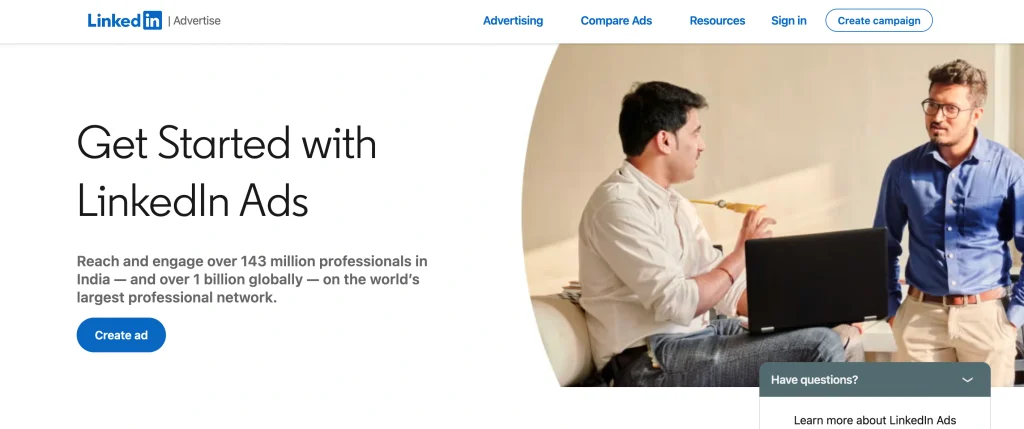
LinkedIn Ads is a PPC and digital advertising platform targeted to professional and B2B audiences. LinkedIn Ads allows you to microtarget users based on professional characteristics including job title, company, industry, skills, seniority, etc.
Formats include sponsored content, message ads, document ads, and lead gen forms.
Key features:
- Job-title targeting
- Industry targeting
- Company targeting
- Lead generation forms
- Website conversion campaigns
- Sponsored Content
- Text Ads
- Retargeting
Pros:
- Strong B2B audience targeting
- Useful for professional services
- Direct access to business decision-makers
- Lead generation tools
Cons:
- Costs often exceed consumer social platforms
- Small audiences might limit delivery
- Requires a clear B2B offer
Pricing:
LinkedIn states that its minimum daily budget starts at $10. Advertising costs are determined through an auction, while the chargeable event depends on the campaign objective and bidding strategy.
Also Read :
6. TikTok Ads
- Website: TikTok for Business
- Best for: Video-first campaigns, consumer products, mobile apps, and younger audiences.
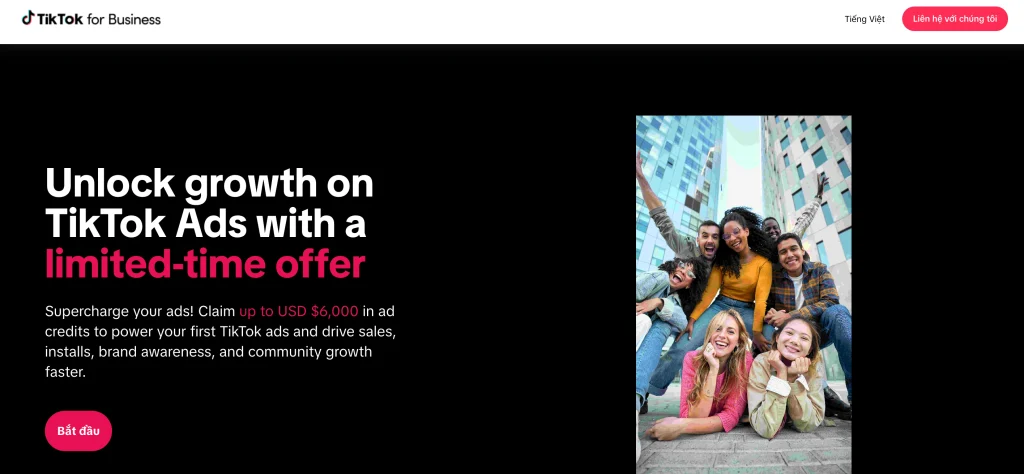
TikTok Ads is one of the popular PPC advertising platforms that enables advertisers to reach TikTok audiences through engaging short-form content.
It works particularly well for consumer brands and offers demographic, interest, behavior, and interaction-based targeting for businesses looking to showcase products or services, drive app installs, or generate leads.
Key features:
- Video advertising
- Audience targeting
- Conversion campaigns
- Lead generation
- App promotion
- Automated bidding
- Cost-cap bidding
Pros:
- Strong video format
- Useful for consumer brands
- Multiple performance objectives
- Automated bidding options
Cons:
- Requires suitable video creative
- Performance varies by audience
- Creative fatigue requires regular testing
Pricing:
TikTok uses auction-based bidding. Its current Ads Manager supports strategies such as Maximum Delivery and Target Cost per Result, depending on campaign objective and setup.
7. Pinterest Ads
- Website: https://business.pinterest.com/en-in/
- Best for: Ecommerce, home products, fashion, food, travel, beauty, and other visual categories.
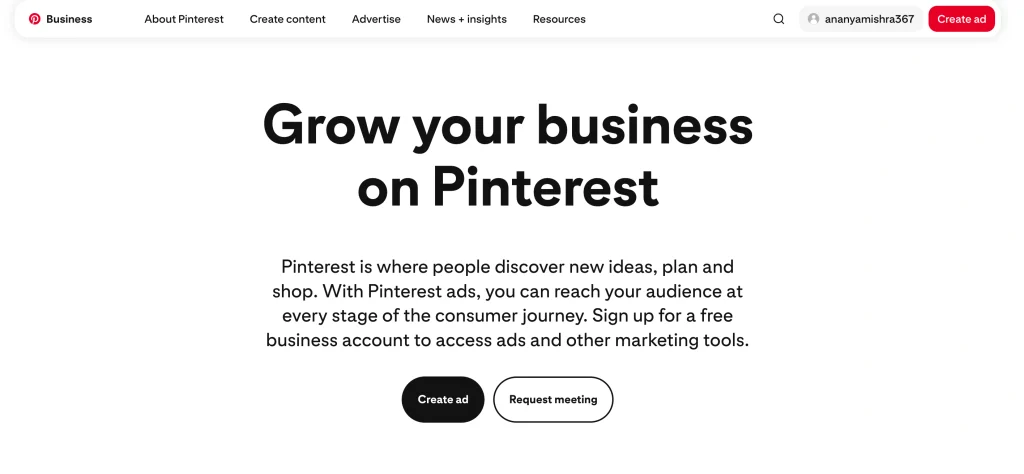
Pinterest Ads allows brands to showcase their products and content as people look for inspiration, ideas, products, recipes, designs and more. By interests, keywords, demographics and the brand’s own customer data.
Ads formats range from image to video, carousel and shopping. It’s especially powerful for ecommerce or consumers of visual brands like fashion, home, food and beauty.
Key features:
- Shopping advertising
- Audience targeting
- Promoted Pins
- Automated bidding
- Manual bidding
- Conversion campaigns
Pros:
- Strong visual discovery environment
- Useful for product categories
- Suitable for ecommerce
- Flexible budget controls
Cons:
- Audience size varies by category and country
- Less suitable for every B2B product
- Creative needs to fit Pinterest’s visual format
Pricing:
Pinterest lets advertisers control campaign spending and choose between manual and automated bidding options.
8. Reddit Ads
- Website: https://www.business.reddit.com/
- Best for: Niche products, technology, gaming, communities, and specialised audiences.
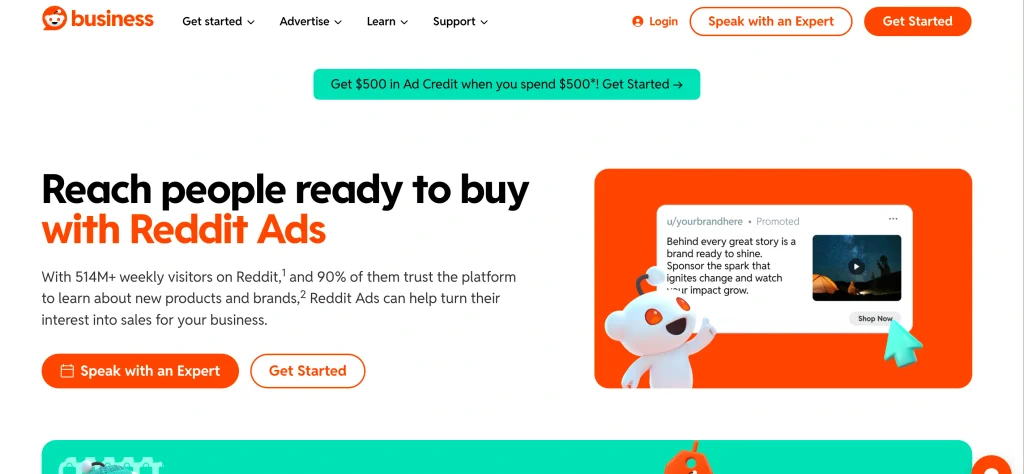
Reddit Ads is one of the PPC advertising platforms that enables businesses to advertise to Reddit’s user community using communities, interests, keywords, locations, and other audience signals.
The platform supports different campaign objectives and ad formats for driving traffic, conversions, video views, and brand awareness.
Key features:
- Community targeting
- Keyword targeting
- Interest targeting
- Image ads
- Video ads
- Carousel ads
- Conversion campaigns
Pros:
- Strong niche audience targeting
- Access to specialised communities
- Multiple creative formats
- Useful for research-driven products
Cons:
- Audience response varies by community
- Promotional messaging needs careful positioning
- Results depend heavily on targeting quality
Pricing:
Reddit uses auction-based advertising. Depending on the campaign objective, advertisers pay through CPC, CPM, or CPV models.
9. Apple Search Ads
- Website: https://ads.apple.com/app-store
- Best for: Mobile app developers and businesses acquiring App Store users.
Apple Search Ads help app developers promote apps within the App Store. Your ads will be displayed in relevant search results, providing your business access to users who are searching.
Advertisers can choose keywords, audiences, locations and various other settings for their campaigns.
Key features:
- App Store search advertising
- Keyword targeting
- Audience targeting
- Campaign management
- App promotion
- Performance reporting
Pros:
- Direct access to App Store users
- Strong relevance for app-related searches
- Designed specifically for app acquisition
Cons:
- Limited to Apple’s app ecosystem
- Less useful for businesses without an app
- App category competition affects costs
Pricing:
Apple Search Ads uses auction-based advertising with bids and campaign budgets. Costs depend on factors such as audience, competition, and the campaign’s selected settings.
10. Walmart Connect
- Website: https://www.walmartconnect.com/
- Best for: Brands and sellers with products distributed through Walmart.
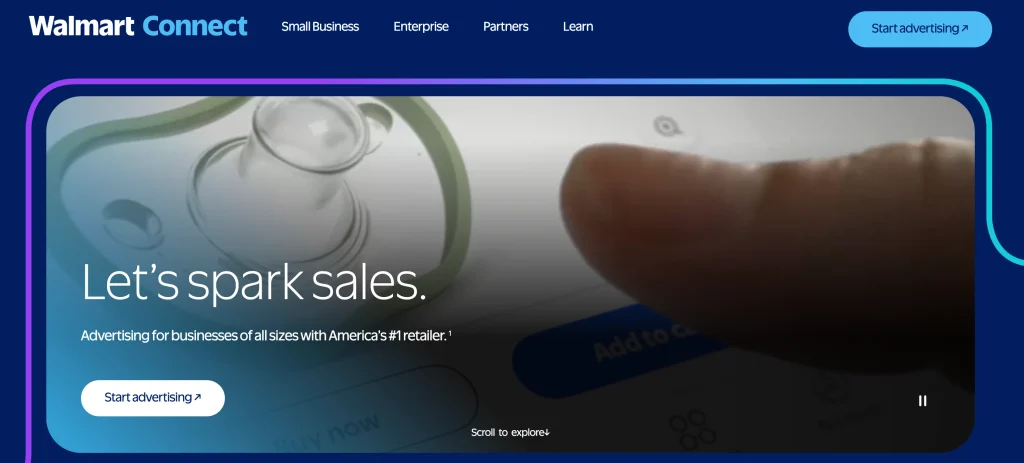
Walmart Connect is Walmart’s advertising platform designed for brands and sellers to connect with Walmart shoppers, making it one of the useful PPC advertising platforms for retail-focused campaigns. Advertising options include sponsored search, display advertising, and other types of retail media.
Sponsored Products allows products to appear in Walmart search and shopping placements, helping them reach relevant shoppers.
Key features:
- Sponsored Products
- Retail media advertising
- Audience targeting
- Onsite advertising
- Campaign reporting
- Product promotion
Pros:
- Access to Walmart shoppers
- Strong retail context
- Useful for consumer product brands
- Product-focused advertising options
Cons:
- Limited relevance for non-retail businesses
- Requires a strong retail presence
- Performance depends on product availability and listing quality
Pricing:
Costs depend on the advertising format, campaign settings, bidding method, and placement. Review the current Walmart Connect terms before planning spend.
PPC Advertising Best Practices
With any PPC advertising platform, it’s good PPC management to plan and define your campaign before you launch your first campaign.
- Define one main campaign objective Choose if the campaign will focus on sales, qualified leads, app installs, calls or another result you want to measure by.
- Decide your maximum monthly ad spend Set your budget before you launch – it can always be increased if you are winning new customers.
- Calculate your target cost per acquisition If a customer has 10,000 in gross profit, spending 2,000 on an acquisition gives you a different margin than if you spend 7,000.
- Separate brand from non-brand keywords in search campaigns Use negative keywords to filter out irrelevant searches Ensure the page you direct people to match closely the ad they saw and the keyword they searched
- Track conversions rather than clicks Test out a series of headlines and ad descriptions, images, offers and calls to action.
- Review search terms regularly. Pause keywords or audiences that spend money but don’t deliver a sensible benefit
- Review mobile separately Compare campaigns by CPA, conversion rate, revenue and ROAS rather than CTR. Pay attention to a smaller audience at first and then scale up after identifying reliable metrics.
How to Choose the Right PPC Advertising Platform
Use the following checks to choose the right PPC advertising platform for you:
- Where is your customer? Find where you are most likely to encounter your customer online.
- What’s your customer looking for? Find what the customer is actively searching for- the solution, or just looking for ideas
- What kind of product are you selling? consumer, local service, B2B, retail, app
- What is your budget? Set clear CPA or CPC rates that work with your unit economics
- Does the platform offer the tracking metrics you need? Check what geographic reach the platform provides.
- Do you need multiple touches or immediate sales? It depends on if you already have website visitors, customer lists, app users, or product sales data.
Common PPC Advertising Mistakes to Avoid
- Targeting broad keywords without reviewing search terms.
- Sending every ad to the homepage.
- Measuring clicks without tracking sales or leads.
- Setting a budget without calculating acceptable acquisition costs.
- Using one ad for every audience.
- Ignoring negative keywords.
- Running campaigns without conversion tracking.
- Increasing bids before checking keyword relevance and landing page performance.
- Treating CTR as the only performance measure.
- Copying competitor ads without testing your own offer.
- Changing several campaign settings at the same time, which makes performance changes harder to interpret.
- Leaving campaigns unattended for weeks.
- Ignoring location targeting.
- Forgetting to check device-level performance.
- Using automated bidding before enough reliable conversion data exists for the selected strategy.
- Sending paid traffic to slow, confusing, or poorly matched landing pages.
Conclusion
PPC advertising platforms give you access to search users, shoppers, professionals, communities, and social audiences through paid campaigns. The key distinction between the platforms is how each one attracts those users. Platforms like Google Ads and Microsoft Advertising are geared toward search signals.
Amazon Ads is based on shopping signals. LinkedIn is based on professional signals. Meta, Tik Tok, Pinterest and Reddit provide audience and content-based targeting options. Follow your customer, product, conversion target and acquisition economics in deciding where to start. Use a single platform where your best customers are easiest to access.
Set a budget. Measure search term themes, audience options, CPC, CPA, conversion rates and revenue regularly. Only expand once your initial campaign has provided enough data to confidently inform the next move.
FAQs
1. How to Define a PPC Advertising Platform?
PPC ad platform is a marketing platform where advertisers pay for visitors or other selected actions achieved using the platform.
2. Is Paid Search the Same as PPC?
No. Paid search is one of the categories of PPC advertising. PPC also includes advertising models on ecommerce and social platforms where payments are based on performance – pay per click, or a similar unit.
3. Should You Advertise on More than One Platform?
Add a new platform when you have enough conversion data from your initial campaigns, and your budget is sufficient for more testing, too. But not enough cash will reduce your data to near-zero.
4. How Does PPC Advertising Pricing Work?
Each pricing element depends on your audience and industry, keyword demand, location, campaign goal, bid strategy, ad quality, and ad placement. Google states: Competition, search context, ad quality, bids and the expected impact of ad assets influence the ad auction.
5. How Do I Lower my Wasted PPC Budget?
Use tightly related keywords or audiences to start. Add negative keywords as needed, exclude irrelevant locations, use conversion tracking, review search terms regularly, improve landing pages, turn off campaigns or segments with ad spend but no conversion.